
Published October 12, 2026 01:48PM
In recent months, a squat hold challenge has been circulating on social media in which contenders from different movement backgrounds attempt to hold a squat longer than anyone else. Take, for example, this Instagram reel that features a Pilates enthusiast, a dancer, a swimmer, a gym goer, a runner, and the yoga student who outlasted them all. If you’ve already happened upon any of these challenge videos, you know that the person who practices yoga sometimes surprises everyone and prevails.
Holding a shape for longer than anyone else is certainly not the primary objective of a practice grounded in philosophy and ethics. Yet there’s something to be said for not only the physical but the mental endurance that practicing yoga can cultivate.
Mental endurance is considered the psychological skills that enable a person to remain focused, confident, resilient, and persistent under pressure, according to research published by the National Library of Medicine. Honing mental endurance has always been one of the ways that yoga prepares practitioners for life. The physical postures, or asana, are intended to quiet the mind in preparation for the other aspects of yoga. Those include concentration, meditation, self-study, and an expanded perspective of self and life.
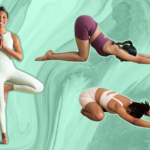
Yin yoga, a style that came about in the 1980s, is particularly well-suited to practicing mental endurance. Yin is characterized by long holds of somewhat intense stretches in which the challenge is to remain still and effortless for several minutes. The purpose of the practice, which some describe as slight discomfort, is to target the connective tissues. These require sustained tension to stretch and lengthen rather than remain in a constricted state. It also challenges our instinct to constantly be seeking mental stimulation or an escape from stillness.The idea is to explore the edge of allowable sensation.
Training the mind that it can be okay to sit with physical or mental discomfort rather than escape it is part of the neurological process known as interoceptive processing. This happens when the central nervous system experiences minor distress. Training oneself to remain present with discomfort without escaping it creates “regulating signals of interoception,” according to researchers. This means that you have the capacity to explore sensations that are not entirely pleasurable but in a way that feels safe to your body. Over time and repeated practice, this safe exploration retrains the brain to navigate situations in life that cause the discomfort of stress or negativity.
It’s important to note that yin yoga isn’t demanding that anyone endure pain. However, it also asks that you learn to listen and discern where more ease is needed. This awareness is a crucial part of developing mental endurance, not only during physical challenges but in everyday situations in life.
15-Minute Yin Yoga to Practice Mental Endurance
The following yin yoga poses challenge your mental endurance in varying ways. Some create an intense physical sensation and ask you to sit with it. Others provide an experience of the body being supported and ask the mind to be still rather than seek stimulation.
Linger in each posture, breathing slowly, for at least 3 to 5 minutes. Try to bring your focus to any physical sensations and your slow, steady, calm inhalations and exhalations. Always come out of the posture or find a less intense version if the sensation crosses the line into uncomfortable discomfort or pain.
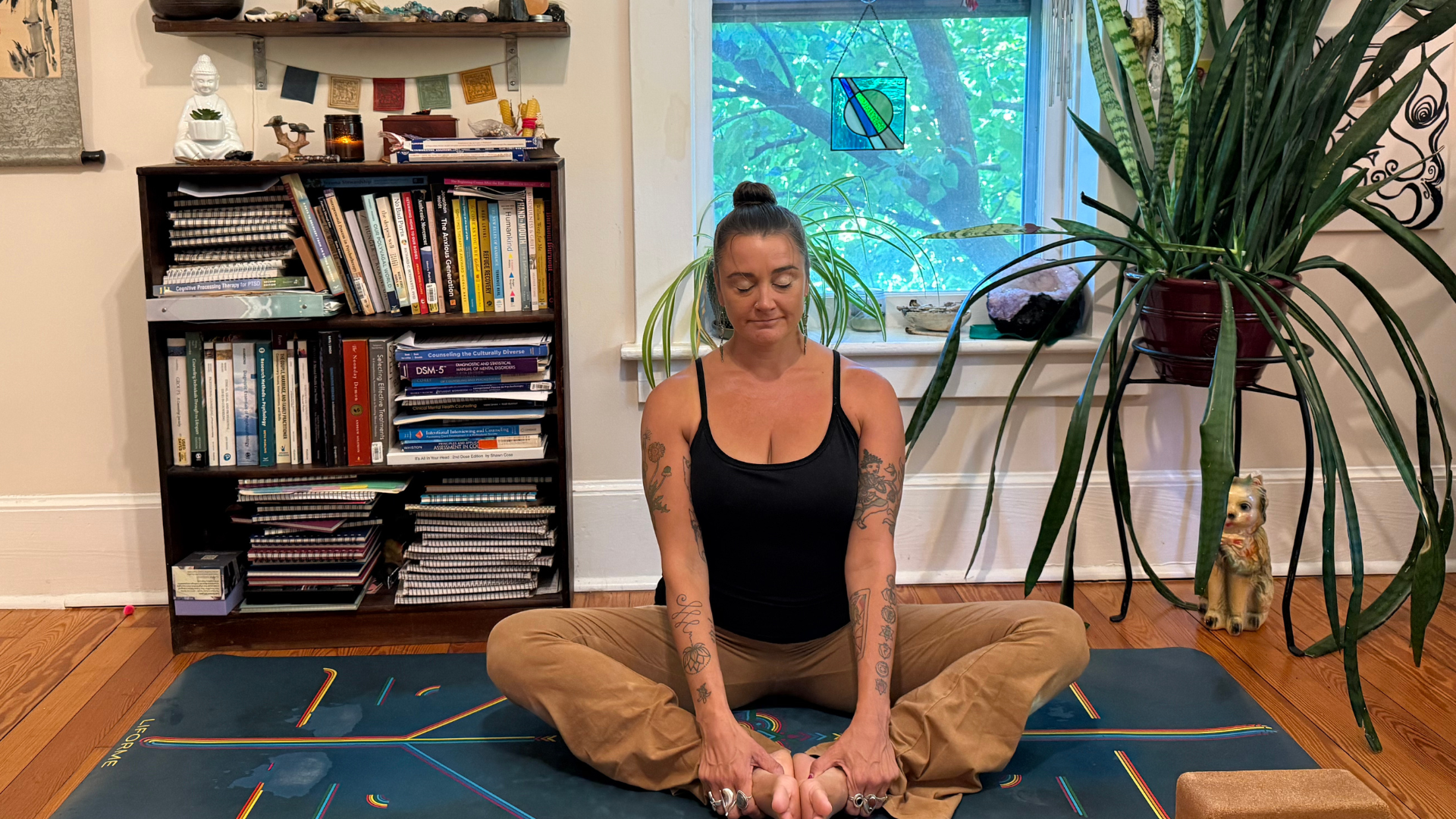
1. Butterfly Pose
This yin version of Baddha Konasana (Bound Angle Pose) combines a sensation-creating hip stretch with the calm-inducing shape of a forward bend.
How to: Begin in a seated position and bring the soles of the feet together. Slide your heels slightly away from you to create an elongated diamond shape. You want to feel a stretch but not a strain along the hips as well as the outer and inner thighs. To lessen the intensity, slide your heels farther away from you and/or place blocks under the knees as support so your legs can relax. Keep the spine long as you sit upright and stay here or lean forward.
2. Sphinx Pose
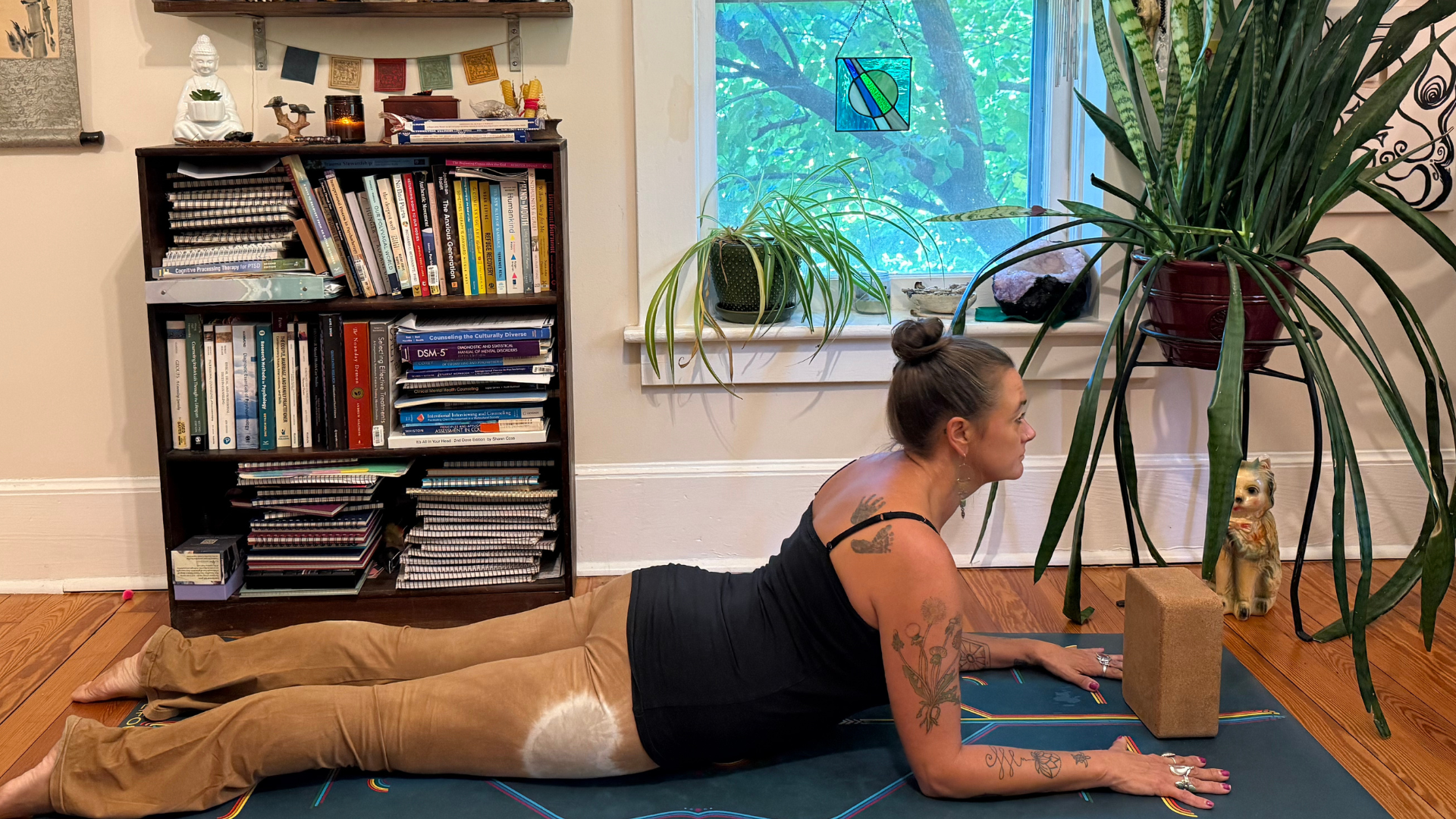
This shape builds mental endurance by asking you to allow sensation in the lower back to exist without tensing your muscles in response. Known by the same English name as in non-yin classes, Salamba Bhujangasana creates a supported backbend.
How to: Begin by lying on your stomach and propping yourself up on your forearms with your elbows directly below or slightly in front of your shoulders. Spread your fingertips wide. Breathe into the sensation in the lower back. To lessen the intensity in your back, inch your forearms slightly farther away from you to lessen the amount your chest is lifted or rest your forehead on your stacked hands or a block.
3. Shoelace Pose
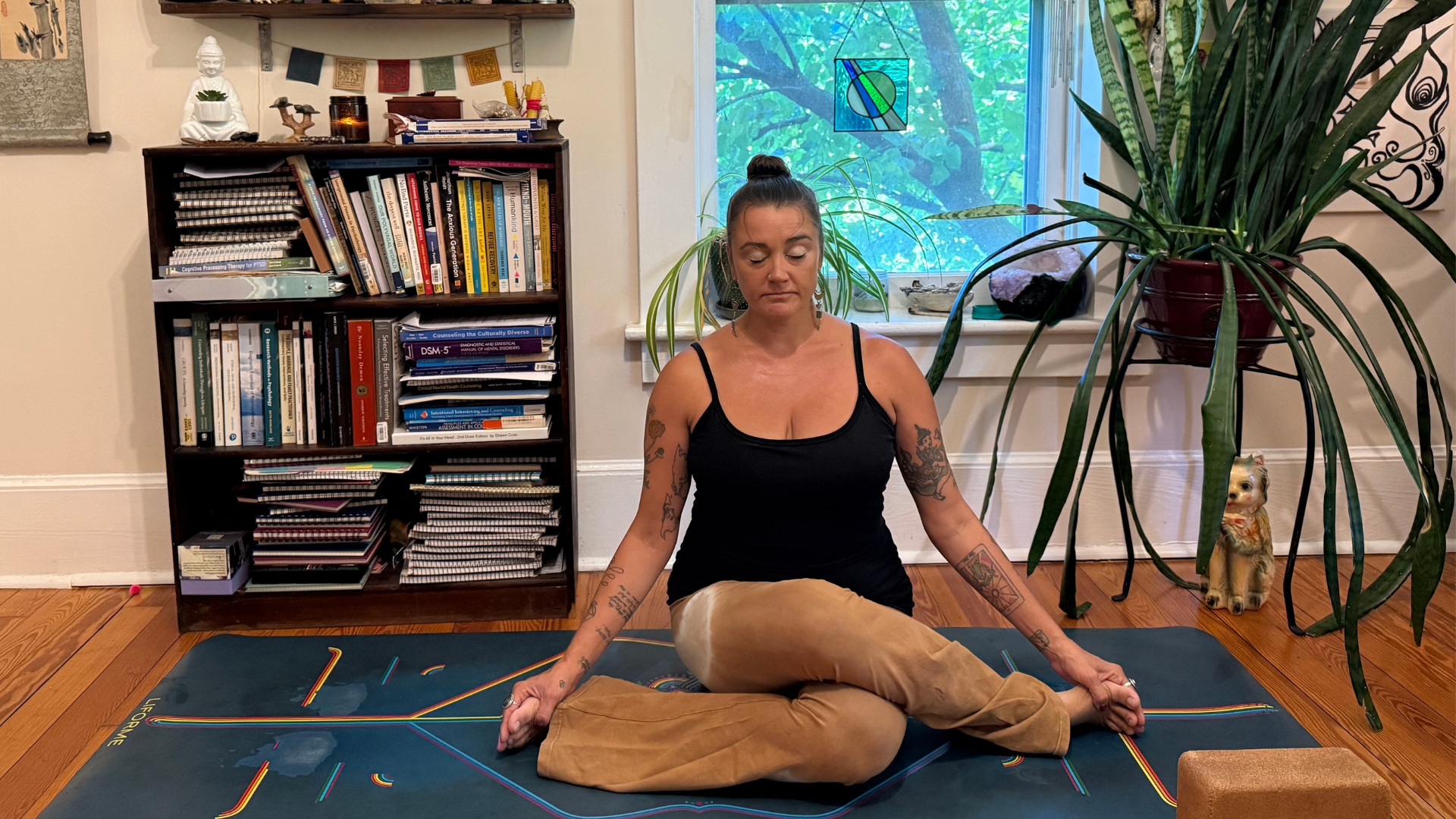
This seated stretch targets the hips and glutes. You might recognize it from practicing Gomukhasana (Cow Face Pose) in other yoga classes.
How to: Sit with your legs straight in front of you. Bend one knee, bring it toward the center of the mat, and take your ankle near your opposite hip. Do the same with your other leg. Try to stack your knees and angle your lower legs out to the sides in a V shape. To lessen the intensity, if there is space between your knees, you can use a block or folded blanket to fill the space. Sit upright or fold slightly forward from your hips. Breathe into the sensation you experience in the outer hips and thighs.
4. Supported Bridge Pose
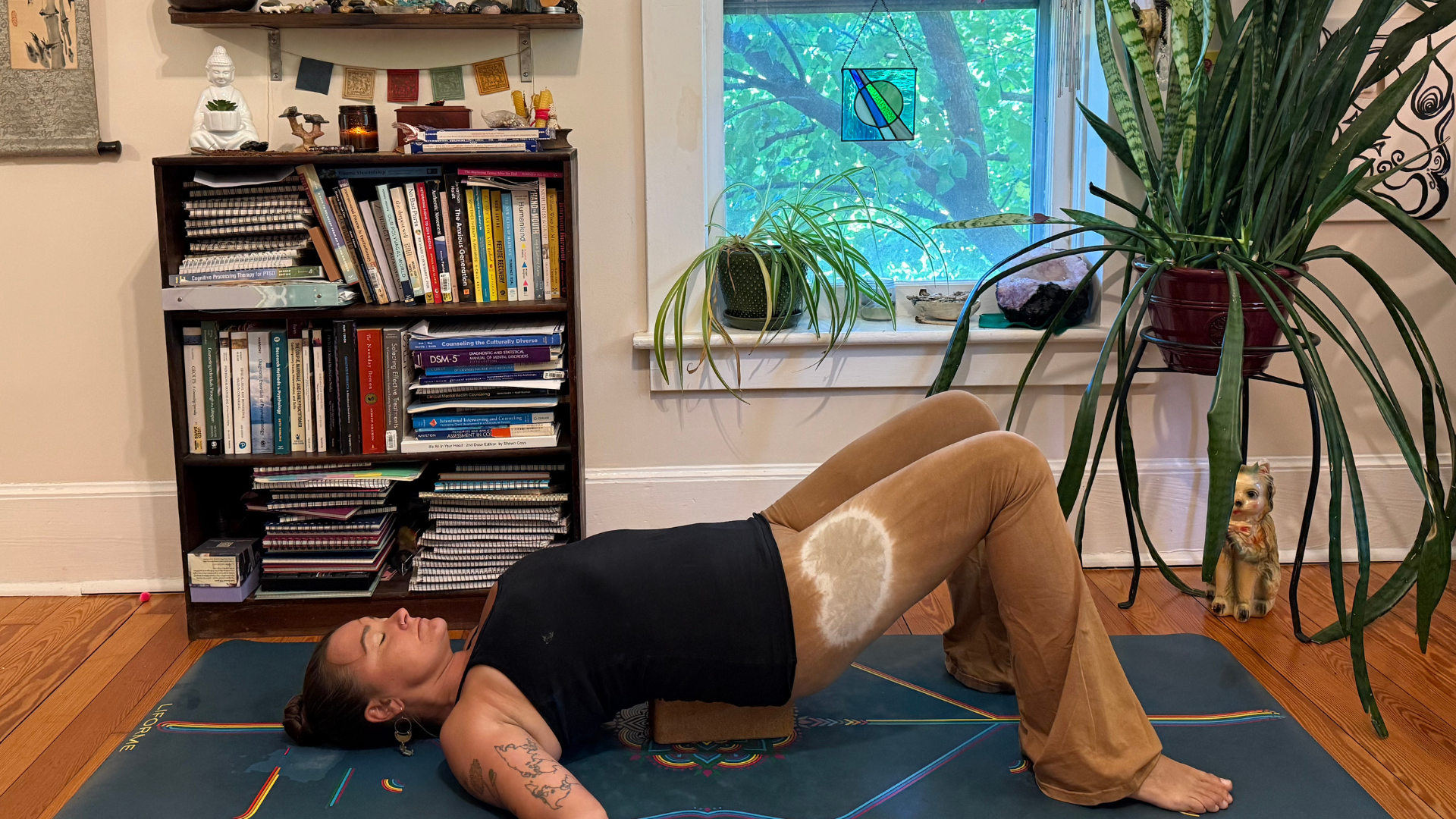
Mental endurance can also be cultivated by allowing yourself to feel supported as you remain still. No active achieving or seeking allowed. You can explore it in this yin version of Setu Bandha Sarvangasana (Bridge Pose).
How to: Start on your back with your feet on the mat, about hip-distance apart, and your knees pointed toward the ceiling. Place a block or bolster under your sacrum (the flat bone at the very base of your spine). The block can be placed on the lowest or medium height, whichever enables you to remain comfortably in the posture without shifting. To lessen the intensity, lower the height of the prop. Let your arms rest alongside you and allow your body to rest on the support as gravity passively opens your chest. Breathe into any sensation and any seeming need to be doing rather than being.
5. Child’s Pose
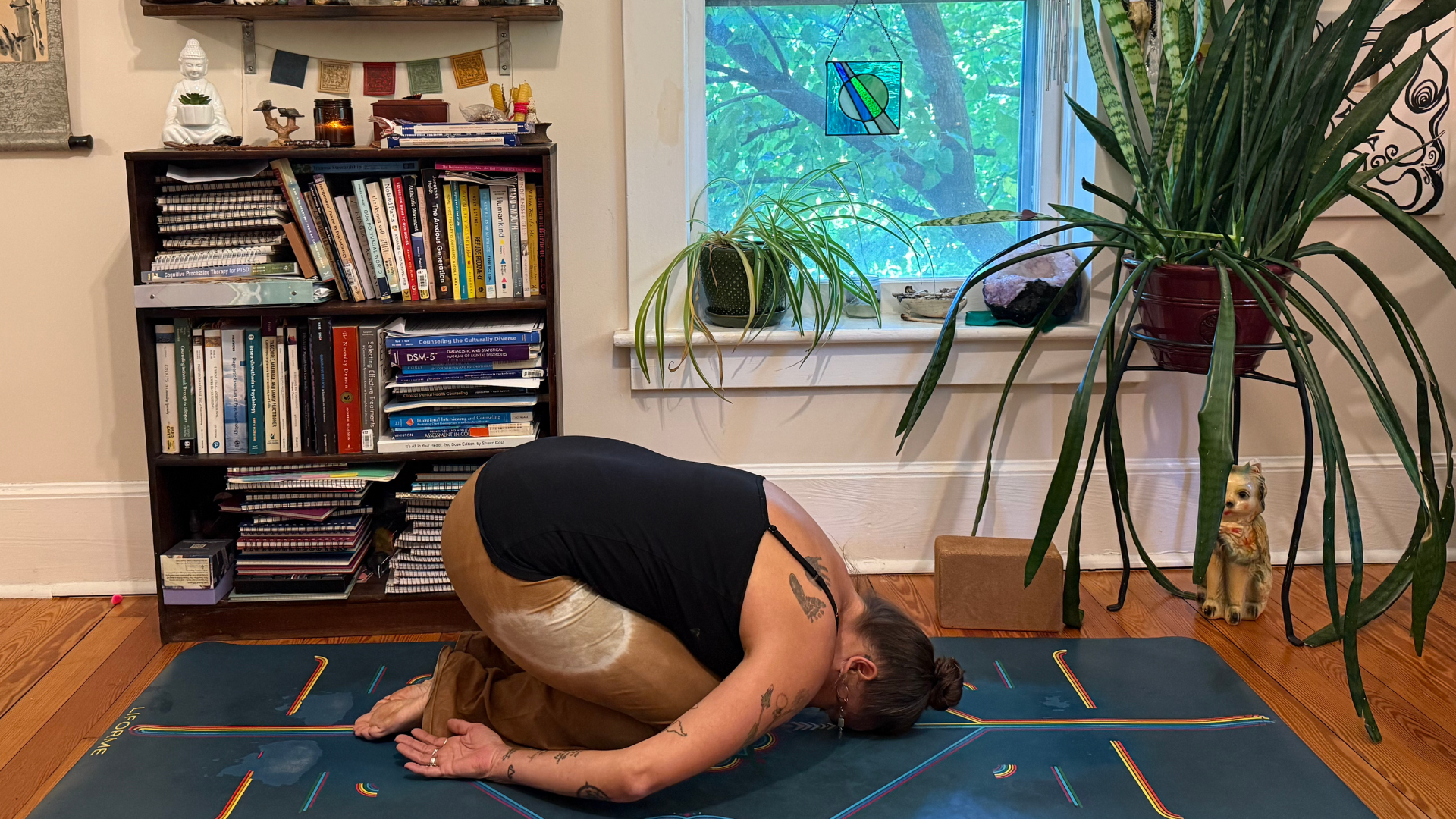
Mental stress can also arise from being in a position that directs your attention inward rather than being distracted by what surrounds you. This familiar forward bend, known as Balasana in non-yin yoga classes, is commonly considered a “resting pose,” although it can create intense physical sensations that require mental endurance to hold still. What happens when you simply show up to the shape and remove all expectations for what it will or will not feel like in your body and mind? Focus on releasing tension not only in the hips and lower back but the arms, shoulders, neck, and jaw.
How to: Begin on your hands and knees with your legs wide and your big toes touching. Sit your hips back toward your heels as you lean forward with your chest, allowing your spine to round, until your head rests on the mat or a prop. Release your arms alongside your body, palms facing upward, and breathe into any sensation. To lessen the intensity, place a prop underneath your hips and/or chest to help support your body. See if you can notice where you might be experiencing unnecessary tension and try to release it.