
I used to think people wanted to see perfection on social media. I was wrong.
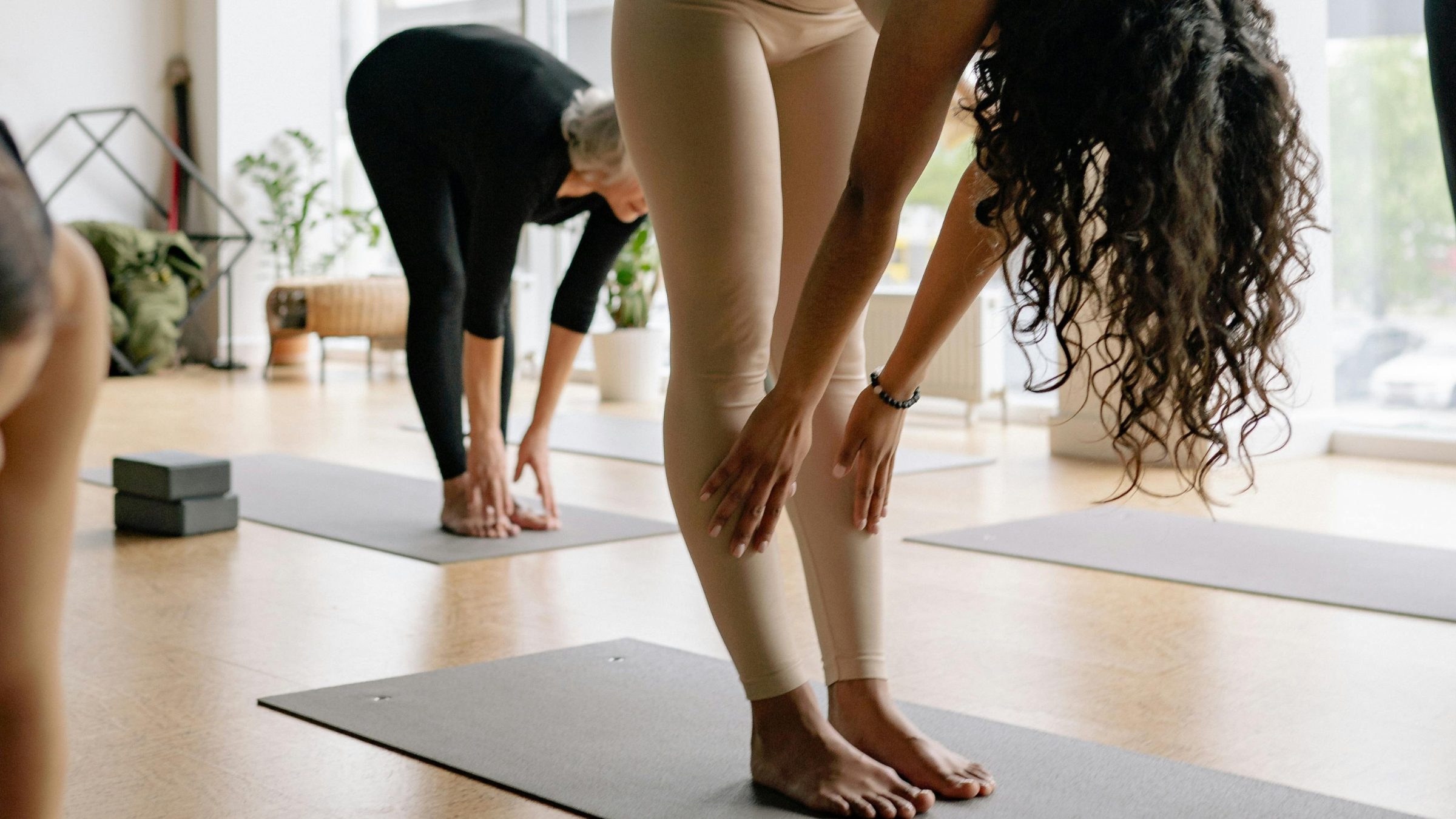
(Photo: Yan Krukau | Pexels)
Published May 13, 2026 03:05PM
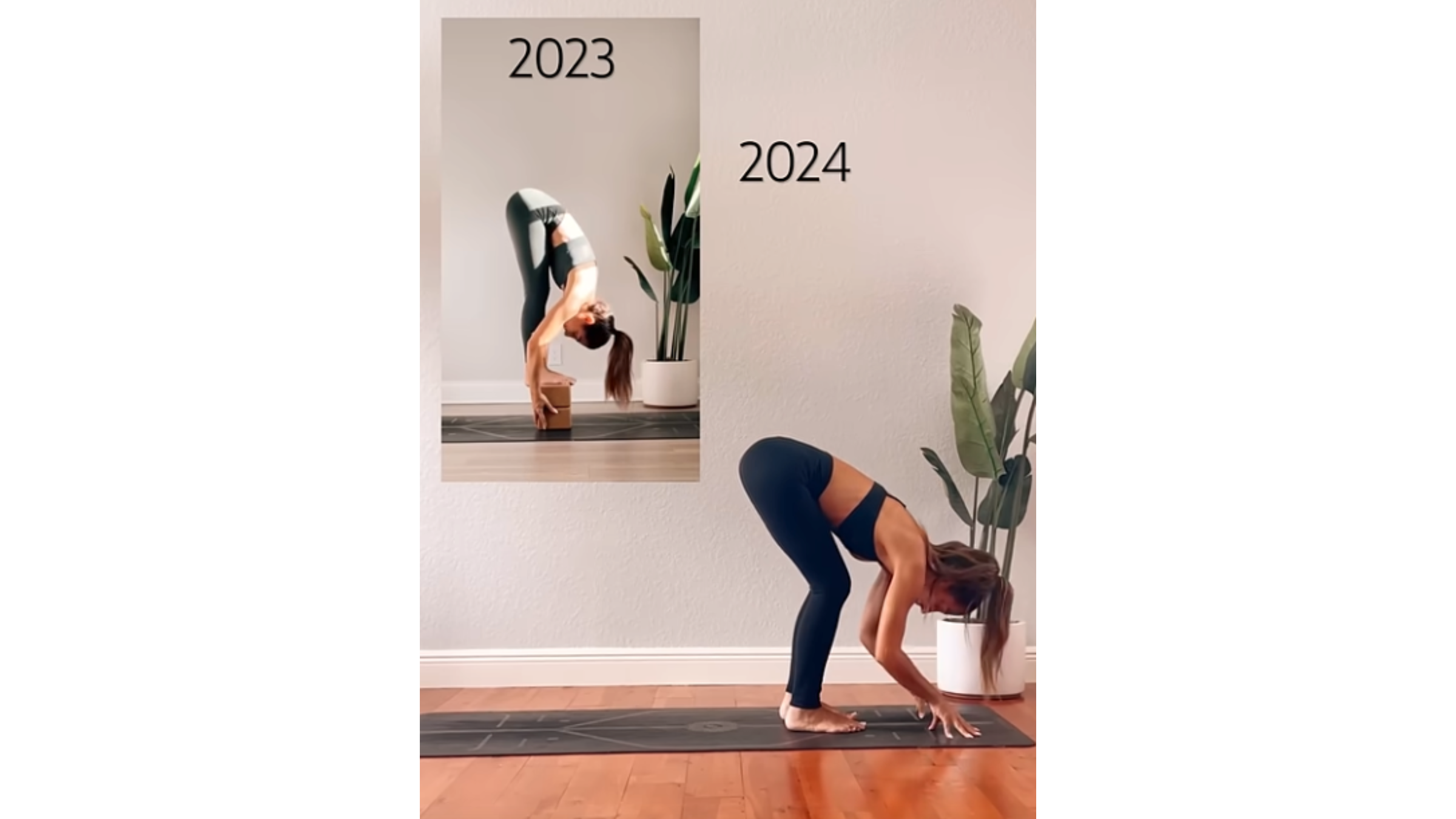
Throughout my early years as a yoga student and teacher, Standing Forward Fold was the measuring stick against which I marked my progress. How far I could go in the pose represented a level of flexibility I never thought I’d access as someone living with chronic back pain. The idea of intensifying the stretch in Forward Fold felt like my chance at a new identity.
Once I was flexible enough to rest my chest against my thighs, I moved on to standing on blocks to make the pose even more challenging. There was no end to how far I would push myself. Then a spinal injury changed everything. The pose I once used to measure my progress became the pose that revealed my limitations.
After my injury, returning to my mat felt like starting entirely over. Given my history with spinal stenosis, it wasn’t the first time I had to rebuild my physical yoga practice. But this time, something in me had changed. I no longer wanted to push my body’s limits. It felt like yoga was no longer about achieving the most demanding expression of a pose, but restoring my body to balance. For the first time, I was truly beginning to understand the lesson of surrender that I knew was integral to yoga yet hadn’t applied to my own practice.
So I let go of the version of me in the past and accepted who I was in the present. Rather than looking for depth in the pose, I began setting myself up for ease, just as I had instructed so many students to do in the past. “Move your feet hips distance apart, take a generous bend in your knees, and place blocks under your hands.” These were no longer generic cues, but necessary adjustments needed to allow my body to participate in the pose with compassion rather than force.
Even with my inner progress, there was still a part of me that was hoping I could get back to the version of the pose I’d once been able to do. But months passed and nothing changed—except how I chose to view my progress.
Sharing My Regression With the World
If you spend any time on social media, you know it’s nearly impossible to avoid other people’s highlight reels—maybe it’s someone’s personal glow-up or a workout progress pic. It’s not that this type of content is bad—and it’s usually intended as inspiring. But it can also feel as if the opposite of making progress isn’t represented enough on social media, especially in the yoga space.
Eventually, I chose to make a video about Forward Fold. I no longer wanted to hide the reality of what happened to my body. Deciding to finally post the video on social felt like an act of acceptance, a release of the need to perform perfection, an embrace of what could be construed as regression.
Yoga taught me that the practice is not about holding onto what I could once do, but being present with who I am now. Still, I was nervous for the yoga community to see it. Would people judge me for being a yoga teacher who could no longer do the pose the way she used to? Would I lose followers? Would it affect my business?
Something unexpected happened. I woke up the next morning and went straight to the comments section. No one was judging my practice. Instead, they were sharing their experiences with regression. Reading their stories solidified to me that people don’t want to see perfection—they want to see their own humanity reflected in others. In the year since I’ve shared it, more people than I thought possible connected with this post—across Instagram and YouTube, it now has more than 60 million views, more than 1 million likes, and more than 7,000 comments.
Through this experience, I’ve learned to have compassion for my body’s needs in ways that I had always taught but never actually acted on myself—in large part due to pushing myself beyond my limits to post on social media. I no longer pay attention to how far I can stretch, but rather how I feel while I’m in it. I pause and allow my breath to deepen as I hold space for the sensations in my body. Because it actually doesn’t matter what a pose looks like. What makes it yoga is how you approach the pose and surrender to what is.