
Strong core, stable practice.
(Photo: Andrew Clark; Design in Canva)
Published June 9, 2026 05:55AM
Core strength is a crucial aspect of your physiology. This is true whether you’re a regular at your local yoga studio or gym, a lover of all things outdoors, or simply dealing with the everyday realities of being a human with a body. A strong core promotes better posture, helps alleviate back pain, protects your spine, and improves overall balance, helping you move through the world comfortably and confidently.
Even the word “core” is apt since your abdominal muscles pare not only positioned at the center of your physical body, they also comprise the fundamental core of your overall mobility. Also, your core is more than just a superficial six-pack. Instead, it’s an interconnected group of muscles that support both each other and your entire body. Your abs include the rectus abdmoinis (the muscles behind that that aforementioned six-pack), transverse abdominis, and the internal and external obliques, along with spinal support systems.
Still, if crunches have never really been your thing, worry not! Certain yoga shapes help stretch and strengthen the abdominal muscles while making your overall body feel more stable.
6 Yoga Poses for Core Strength
Most yoga poses require you to bring your abdominals online for proper alignment, which means you strengthen your core every time you practice. But the following shapes address the area specifically, allowing you to emphasize your core each time you’re on your mat. Let your breath lead the way through each pose, and let your core strength create even more steadiness in your yoga practice.
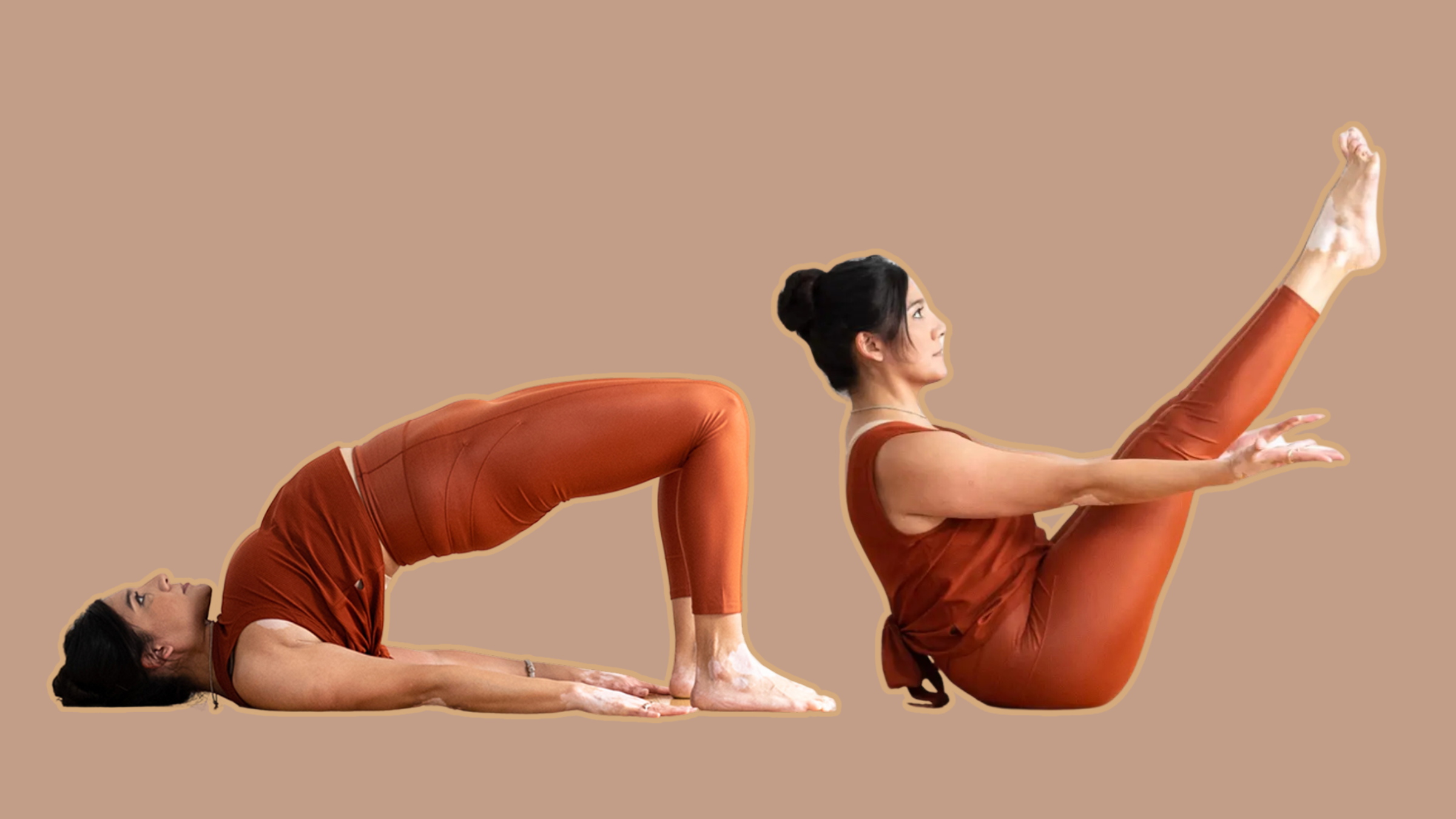
1. Bridge Pose
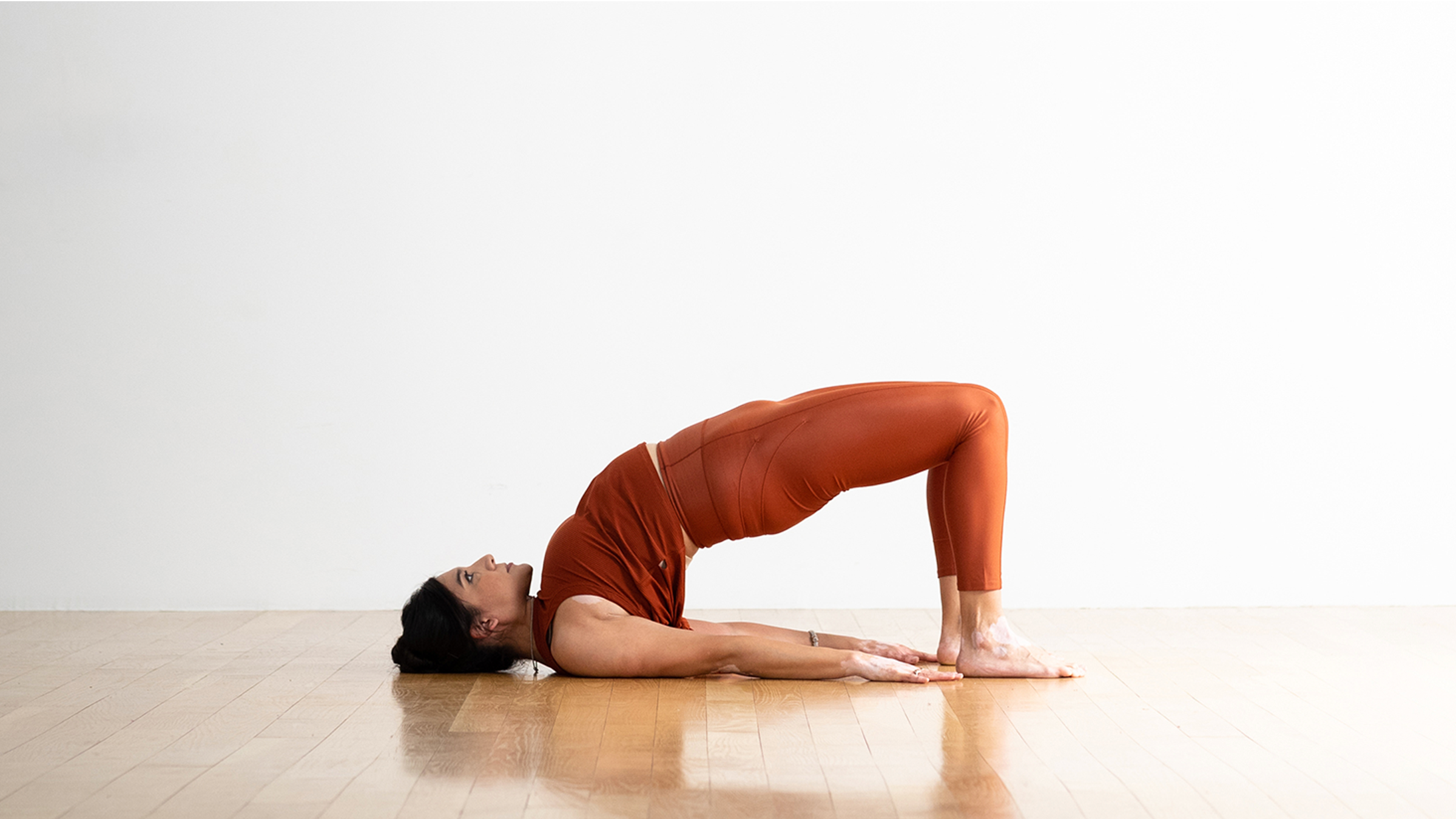
Depending on who you are and how you practice, Bridge Pose can be considered an energizing challenge or a restorative resting place. Regardless, the shape is an expansive one for the deep muscles of the core, including the transverse abdominis, which wraps your torso horizontally and is most often engaged through your intentional breathing.
2. Boat Pose
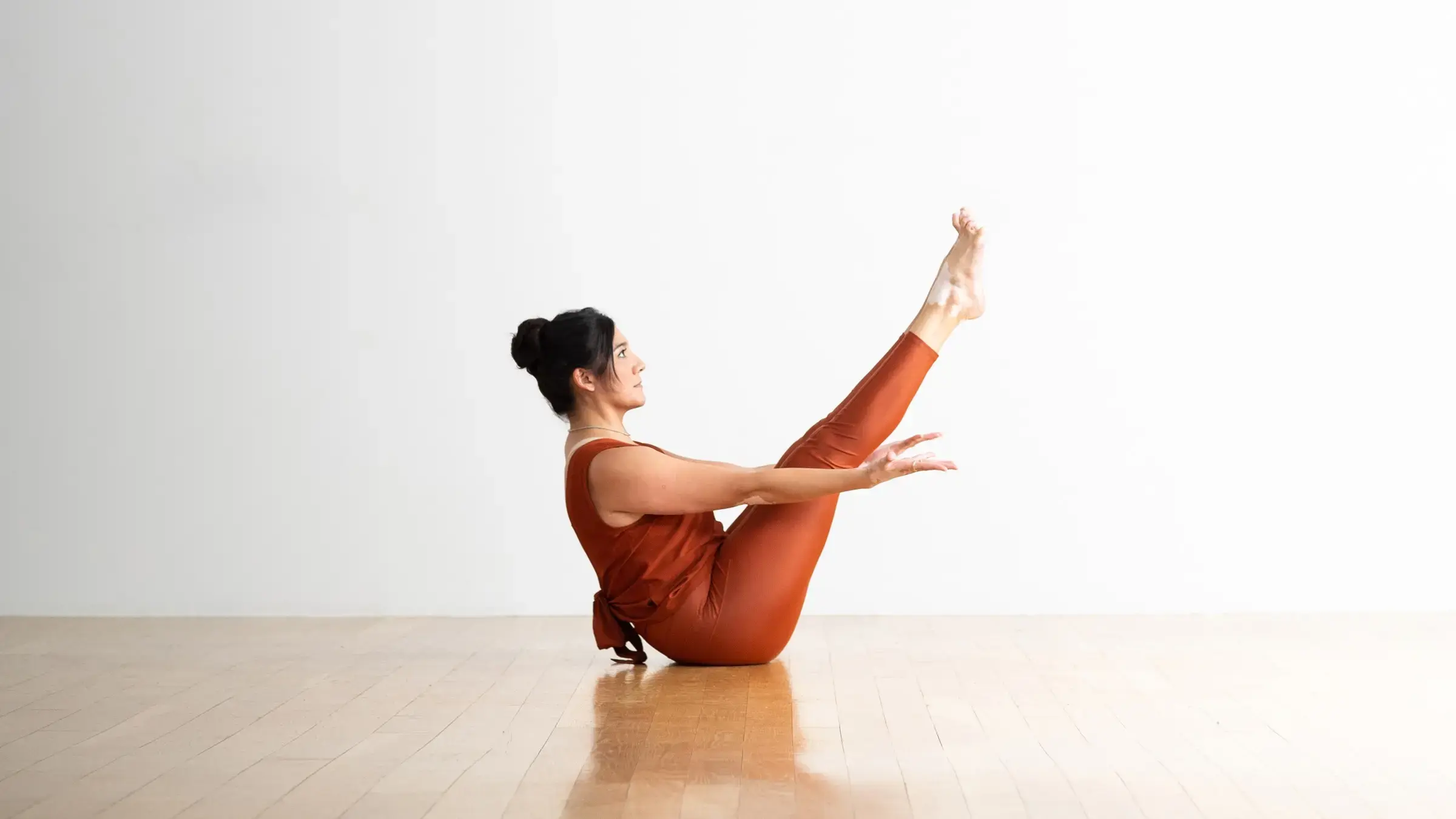
If you’re looking for a pose that addresses the core directly (and somewhat intensely), Boat Pose is for you. This isometric stretch calls for simultaneous engagement and lengthening, along with some serious core strength. That said, Boat is about more than just your abs—you’re also working your hip flexors, adductors, and low back, all of which help stabilize the core.
3. Dolphin Pose
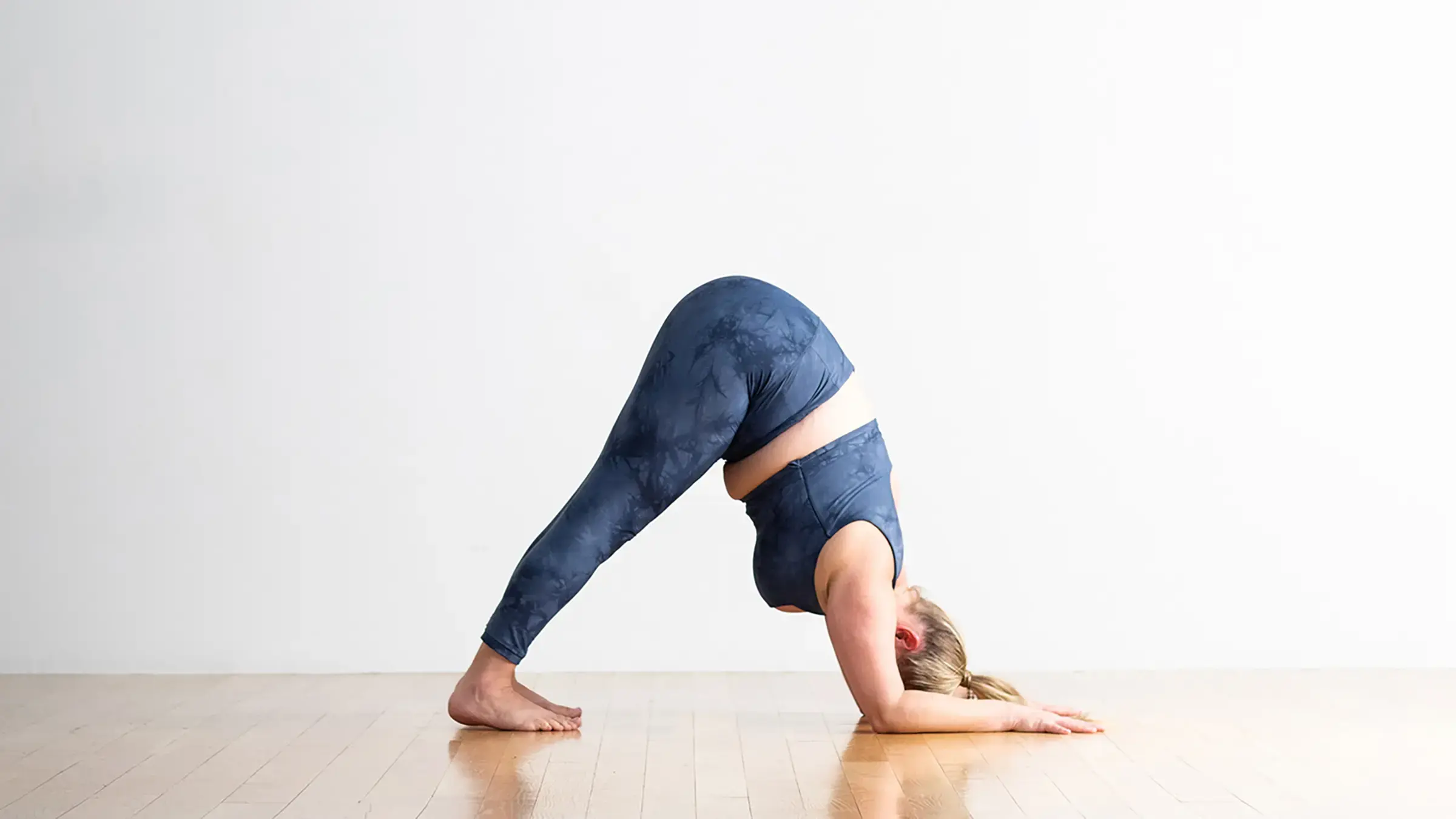
As you enter Dolphin Pose, you might find that your initial focus falls on your forearms and shoulders. But surprise! Your core is getting a sneaky workout as well. Engaging your midsection (mainly your transverse abdominis and obliques) helps ensure that you’re not dumping weight into your upper body, all while cultivating the sort of full-body synergy that allows you to access inversions such as Headstand, if you so choose.
4. Wild Thing
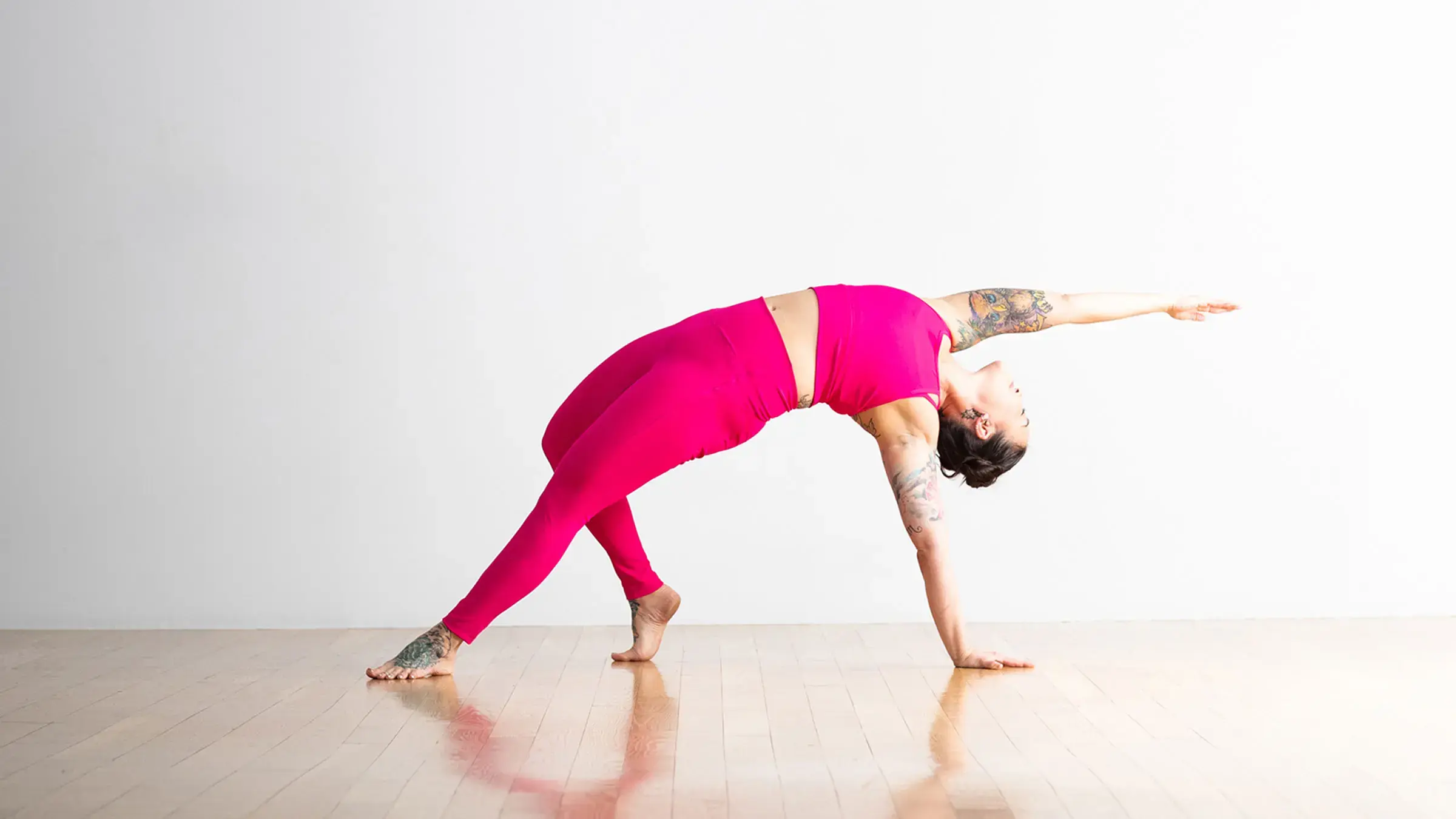
“The ecstatic unfolding of the enraptured heart”—the English translation of the Sanskrit Camatkarasana, or Wild Thing—is an energetic full-body opener that engages nearly every muscle you’ve got. While your core isn’t the primary focus here, the shape delivers a rare stretch to your rectus abdominis and, just like other backbends such as Bridge and Camel, brings your innermost core muscles online to support your spine.
5. Wheel Pose
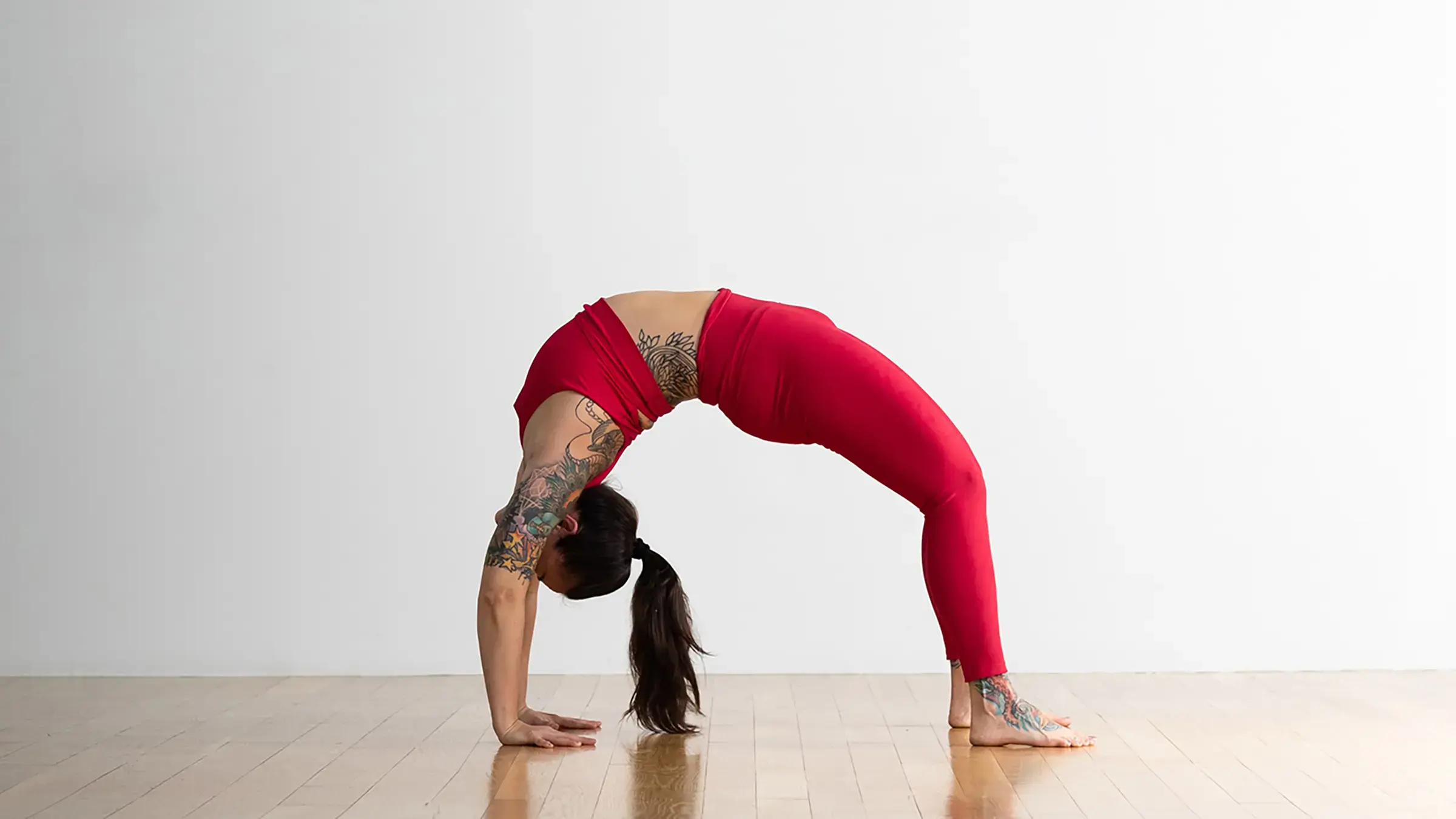
Another shape that sends your core skyward, Wheel Pose is a backbend with myriad benefits, including a welcome abdominal stretch. The transverse abdominis gets some welcome engagement here, too.
6. Plank Pose
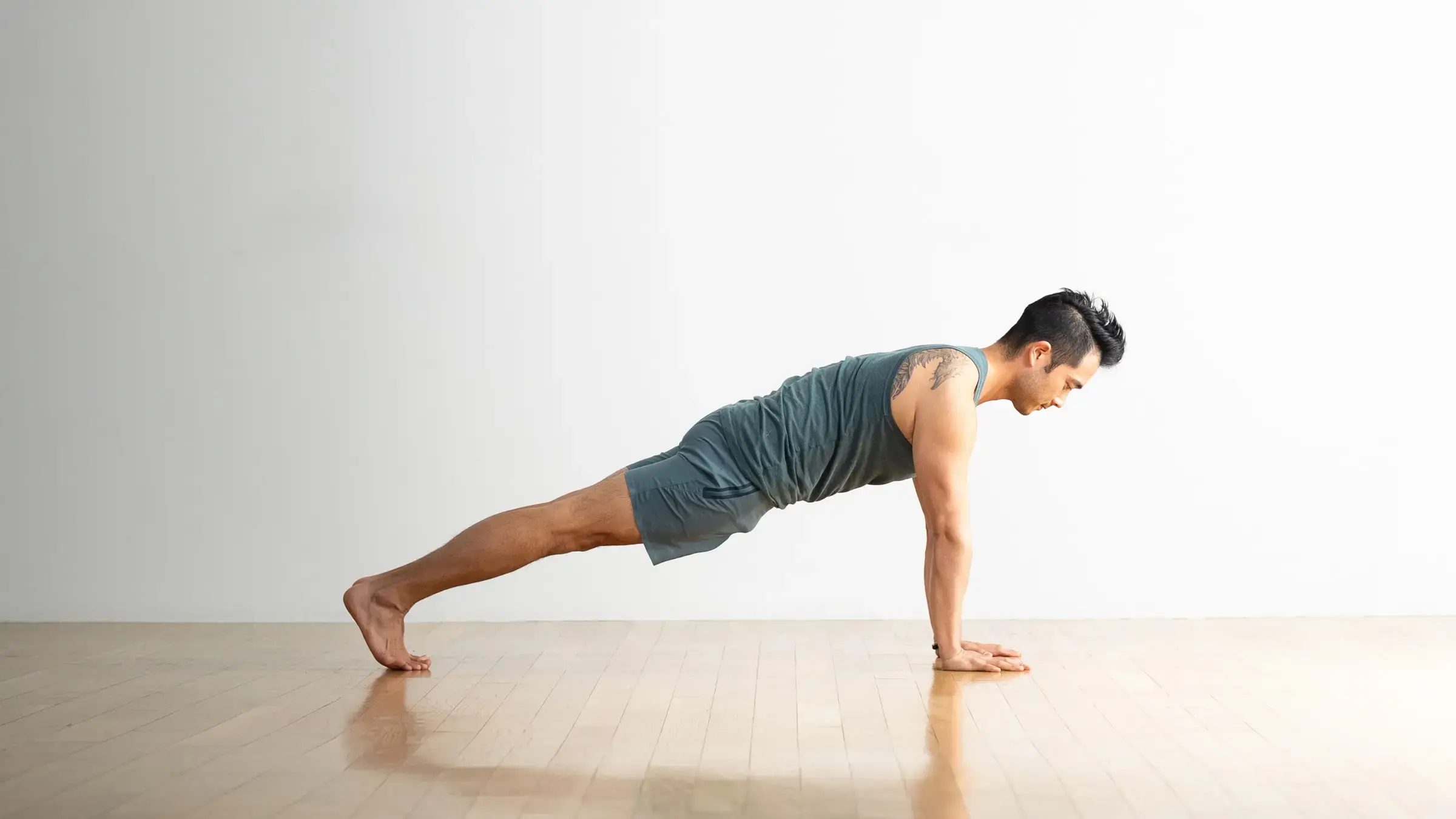
We’ll end on a classic core exercise that’s popular across athletic camps: Plank Pose. It asks that you transmute your body into a stiff board—firing up all of your muscle groups in the process. At the core? Your core. Unlike other poses on this list, Plank asks that you maximize stability by engaging your entire core, the better to support and protect your shoulders and low back.