
Your wrists are delicate, complex, and foundational to your yoga practice.
(Photo: Andrew Clark; Design in Canva)
Published October 14, 2026 10:19AM
Calin Van Paris is a YJ editor and certified yoga instructor who has been practicing yoga for more than 20 years. Here, she discusses how important stretching and strengthening your wrists are to your yoga practice, and shares some poses that help do that.
Your wrists are one of the most delicate, and the most intricate, parts of your body. They are also fundamental to your yoga practice. If you’ve ever tried to move through a flow with a sprained or even a tense wrist, you’re aware of how essential the joint is to most poses. If your wrists have never posed an issue, just take a moment to visualize yourself taking a vinyasa without the full power of the joints. (Spoiler: it’s basically impossible, even in your imagination.)
There’s a lot going on in and around those joints. As the junction between your hand and your arm, the wrist connects your forearm bone (or the radius) to your carpal bones, a collection of eight tiny bones in the heel of your hand. The wrist also serves as a pathway for your median, urnal, and radial nerves and a handful of tendons. Any tweaking or inflammation here can lead to pain not only in your wrists but your hands, forearms, and more.
Caring for your wrists involves paying proper attention during your practice, including never taking any yoga pose too far and coming out of any position that causes you pain). It also means properly stretching and strengthening the region. The following yoga poses can help you build resilience and mobility while increasing your awareness of your wrists—whether they feel tight, weak, and more.
5 Yoga Poses That Double as Wrist Stretches
Straining your wrists is never, ever a good thing. If you experience any inkling of wrist discomfort while in a pose, opt out completely, add props where applicable, or try a modified version of the shape.
1. Sphinx Pose
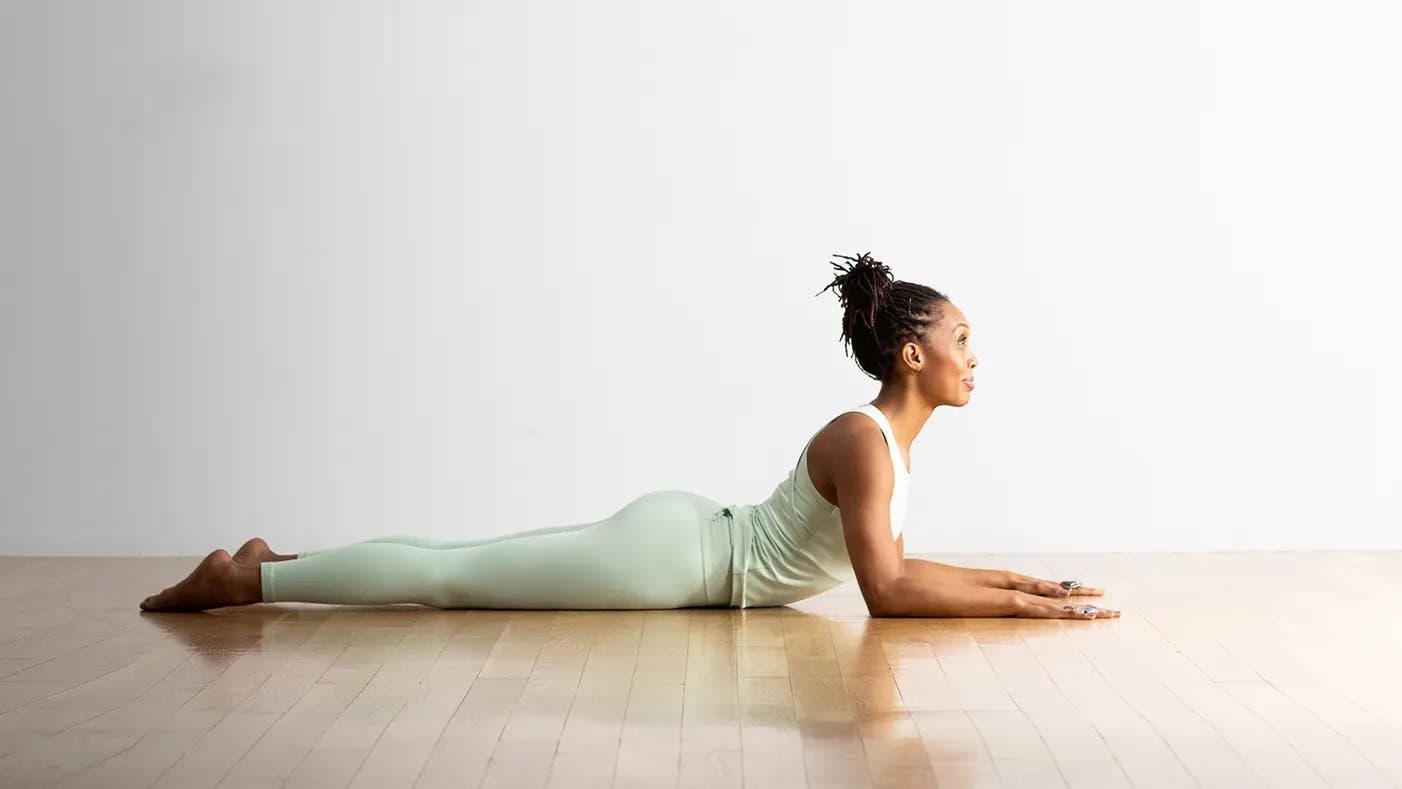
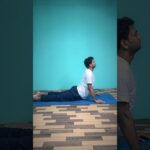
We’ll start simple. Lengthening your wrists can (and oftentimes should) be done without placing much pressure on them. Sphinx Pose (Bhujangasana) asks you to stabilize on your forearms as you raise your chest, allowing you to spread through your wrists, hands, and fingers. Pressing through your palms and fingers engages your wrists with less pressure than a pose like Downward-Facing Dog.
2. Four-Limbed Staff Pose
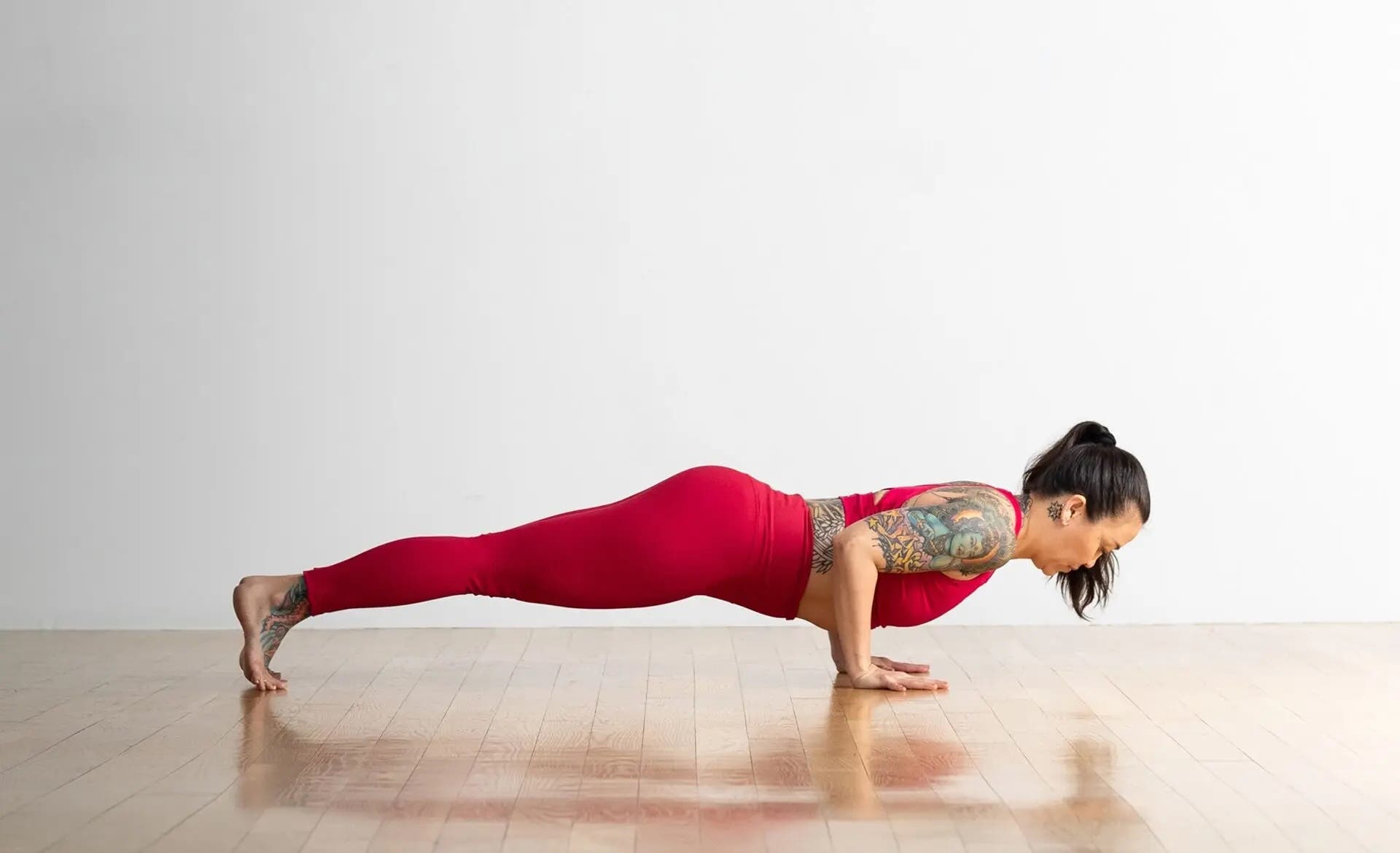
Wrist strength is aptly demonstrated during Four-Limbed Staff Pose (Chaturanga). The dynamic pose asks you to lower your body toward the ground with control, all while supporting much of your weight with your wrists (and, of course, your feet while keeping your body in a straight line with engaged thighs, glutes, and abs). In addition to bearing that load, your wrists are in almost end-range extension here, which results in a stretch.
If coming through Chaturanga feels too intense on your wrists, land your knees on the mat and let them share the load or try a Forearm Plank variation.
3. Eagle Pose
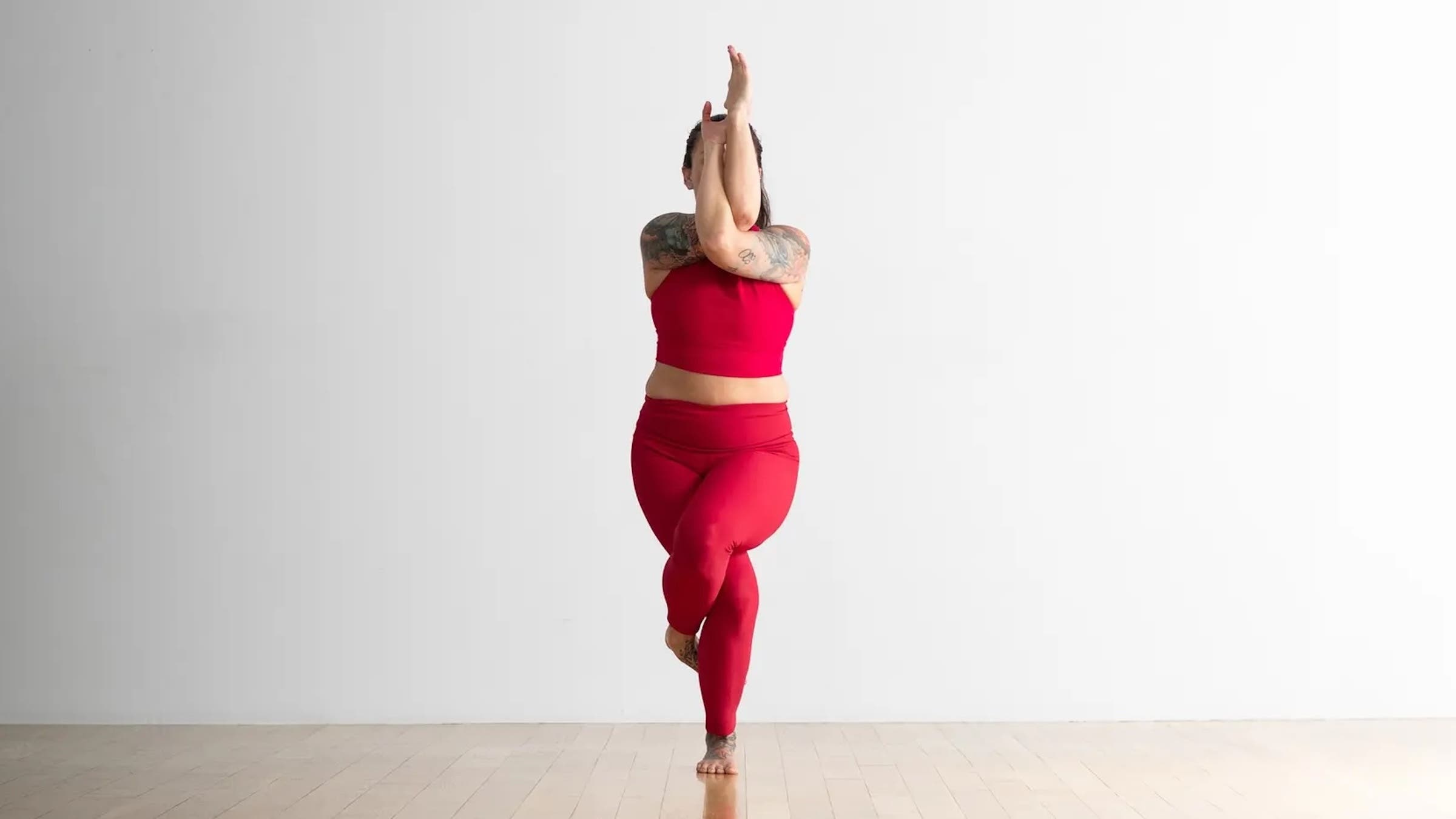
Although much of the stretch in Eagle Pose is felt in the shoulders and upper back, the pose can also stretch the muscles and connective tissue along the wrist and forearms. Depending on your specific hand position, you might also experience a side stretch along the wrists, a benefit that is relatively uncommon in yoga poses.
4. Downward-Facing Dog
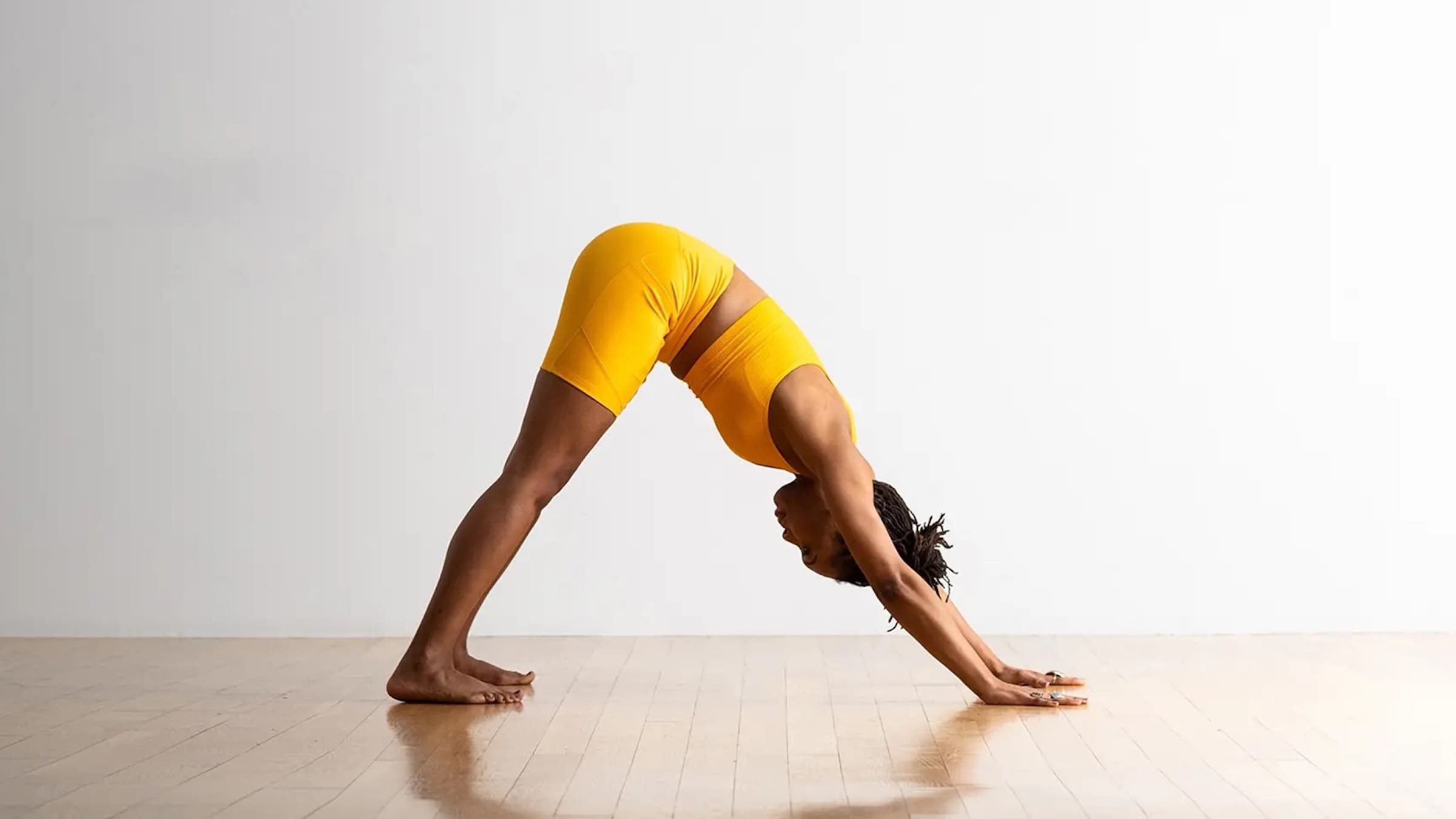
In case you hadn’t noticed while hanging out in Downward-Facing Dog, the foundational pose requires your feet and ankles as well as your hands and wrists to support your weight. It places your wrists in extension by drawing them closer to the tops of your forearms as you create an inverted V with your body. Though Down Dog calls for a fair amount of wrist strength, you can experiment with the intensity by shifting your weight more toward your lower body. Try pedaling your feet while shifting your hips back, bending your knees, or even dropping to your forearms in Dolphin Pose.
5. Crow Pose
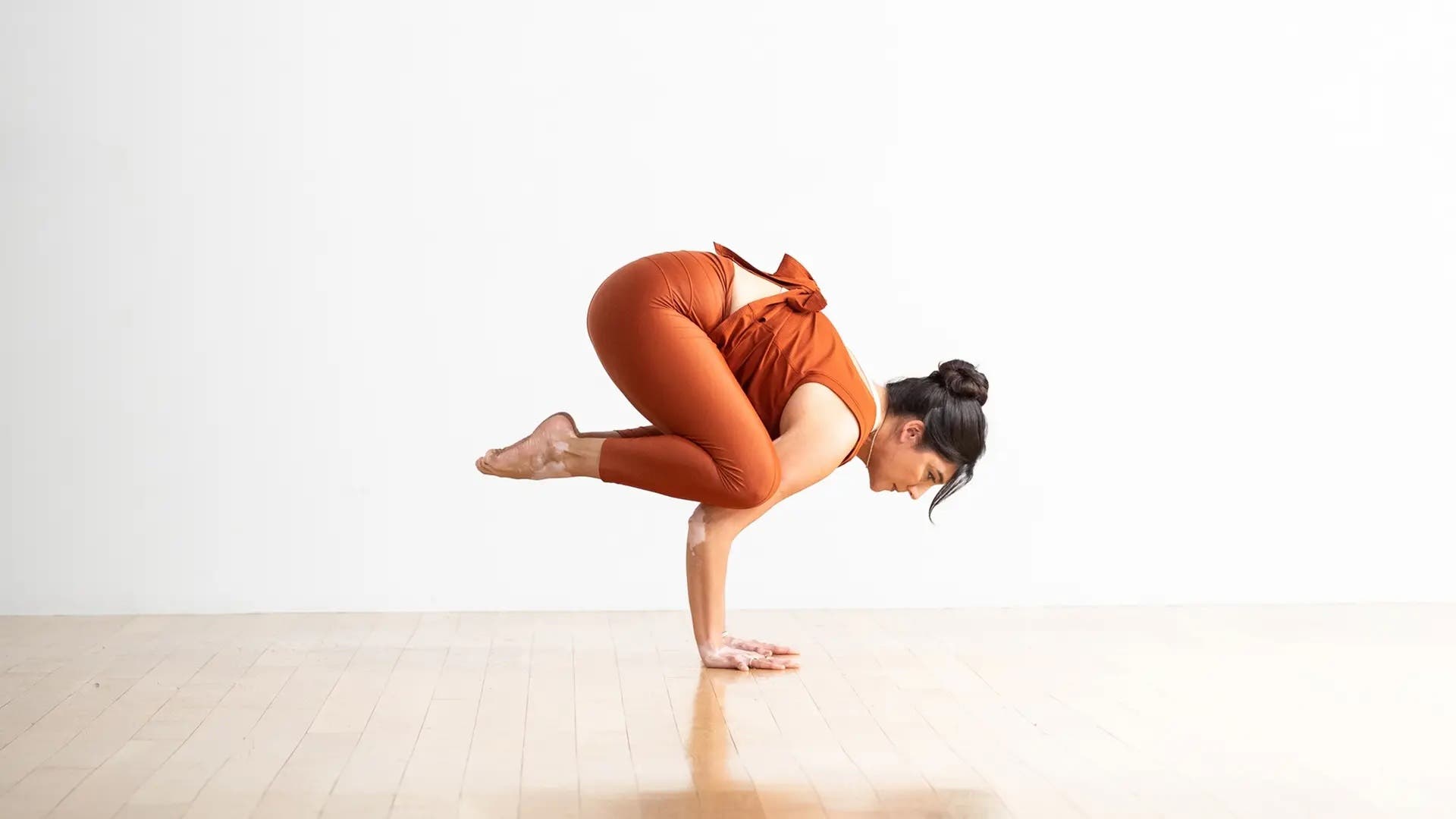
Arm balances are the boss of wrist-strengthening yoga poses. Popping up into Crow Pose requires the cooperation of your entire body, and that very much includes your wrists. Not only does Crow ask your wrists to bear your full weight, the pose also places them in end-range extension, requiring flexibility, mobility, and serious strength and endurance through your wrists, fingers, and hands.
Although your entire body needs to be onboard to truly fly in Crow, pressing through your knuckles and fingertips can help ensure your final form becomes more stable. Be sure to warm up your wrists with circles or gentler poses before attempting Crow.