
Published July 17, 2026 06:00AM
Long before there were climate-controlled studios and polished hardwood floors, outdoor yoga was the norm. Ancient yogis sought forests, mountains, riverbanks, and caves for meditation and contemplation. Equally ancient texts, such as the Yoga Sutras, describe quiet places where practitioners could observe both the movements of the mind and the rhythms of nature.
So when my editor approached me about moving my practice outdoors for 30 days and chronicling my experience, it made perfect sense.
As a Pacific Northwesterner, I basically live outside for the entire summer. The sun is out. The air is dry. Life is good. I basically bask in the sun all day, reading, writing, or tending to my tomatoes. Then I leave all that behind to sequester myself in a dark, underground room at a local yoga studio. I’d already noticed my daily practice beginning to wane from my resistance to being kept inside. It raised the question, why wasn’t I already practicing outside every day?
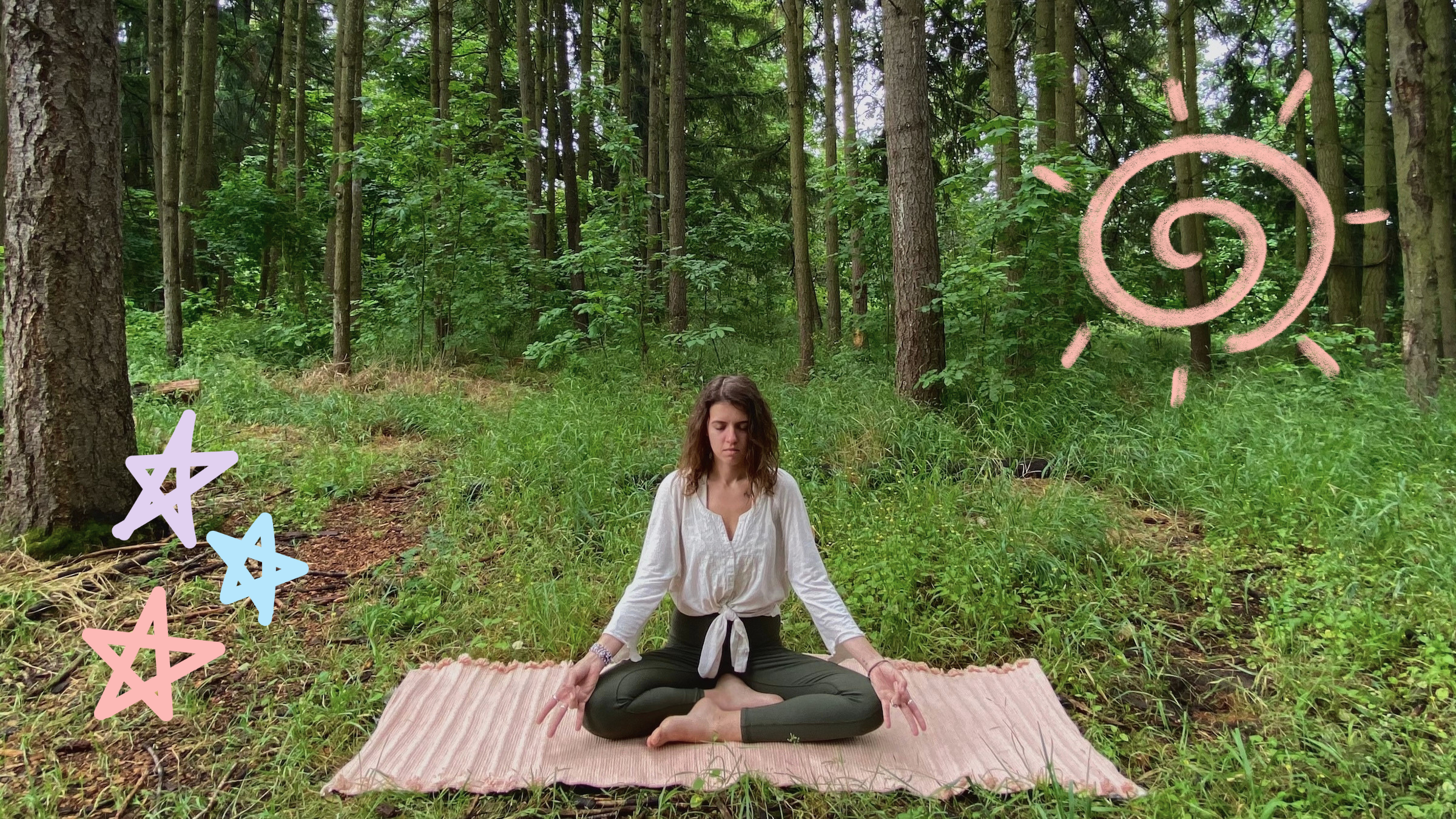
So I moved my yoga mat from the trunk of my car to my back porch. And then every morning, I let the morning sun shine on my face, whether in a local park or my own backyard, while practicing asana in the grass or meditating from my patio.
I confess, it wasn’t as easy to keep a regular practice without the designated schedule and the looming threat of cancellation fees, but I think that’s part of what a yoga practice asks of us. Not perfection, but devotion. So over those 30 days, I began to explore what would happen when I extended that same commitment beyond the walls of a studio and into the living world around me.
Here’s what I learned on my mat, and mostly in my backyard, this past month.
4 Things I Learned from 30 Days of Outdoor Yoga
Over the course of 30 days, outdoor yoga changed a lot of things about my practice—much more than just the backdrop.
1. The World Never Stops Moving, and Neither Does Yoga
As I lay on my belly, nose pressed to the ground, I was enveloped in a thick, heavy earthen smell borne of the sun, dirt, and last night’s rain. I took a deep breath, infusing the petrichor into my veins. It was pure bliss. At that exact moment, my friendly next-door neighbor revved up his lawnmower, its mechanical drone slicing through the suburban air.
When you stop and listen, there’s near-constant commotion. Birds chirping, planes roaring, construction workers shouting, cars zooming on by. The world is carrying on this intricate symphony of life, growth, birth, death, and change at all hours of every day. And we’ve stopped noticing it. Or, perhaps worse, stopped caring. I’m usually so laser-focused on my own place in the world that I don’t take the time to appreciate just how intricate and bustling the world is around me.
I could have been annoyed by the interruption, and perhaps I was for a moment. But yoga isn’t about eliminating distractions. It’s about learning to stay present among them. This is pratyahara—not shutting the world out, but changing your relationship to sensory input. When we see ourselves as an integral part of this cosmic song, rather than constantly trying to tune it out, these moments feel less like an inconvenience and more like what they are: part of being human.
2. Comfort Isn’t Always the Goal
Outdoor yoga made it impossible to ignore just how much energy I spend avoiding mild discomfort. A bit of a chill. A vague malaise. Slightly damp grass. A breeze that’s just a little cooler than I prefer. It’s usually enough to send me searching for the temperature-controlled certainty of indoors, and I suspect I’m not alone.
We will do almost anything to shield ourselves from discomfort, even when it’s fleeting and completely harmless. But after a month outside, I started to wonder how much energy I was wasting trying to create perfect conditions when instead it could be spent adapting to imperfect ones.
Yoga calls this tapas. It’s the steady willingness to stay present through challenges. It might seem trivial, but every time I practiced through an unexpected gust of wind or a damp, chilly morning, I was reminded that I’m far more adaptable than I usually give myself credit for–and so are you.
3. My Best Teacher Was My Own Body
The lesson that surprised me most had nothing to do with nature. It had to do with trust.
One of the reasons I find myself more drawn to studio classes rather than self-practice is that, even as a trained yoga teacher, I sometimes lack the focus or attention span to decide what I want my body to do. It’s just easier to be told. As a recovering eldest daughter and debilitating Type-A personality, I feel a wash of relief when I can outsource decisions. Someone else tells me what comes next, how long to stay, when to breathe, and all I have to do is follow along.
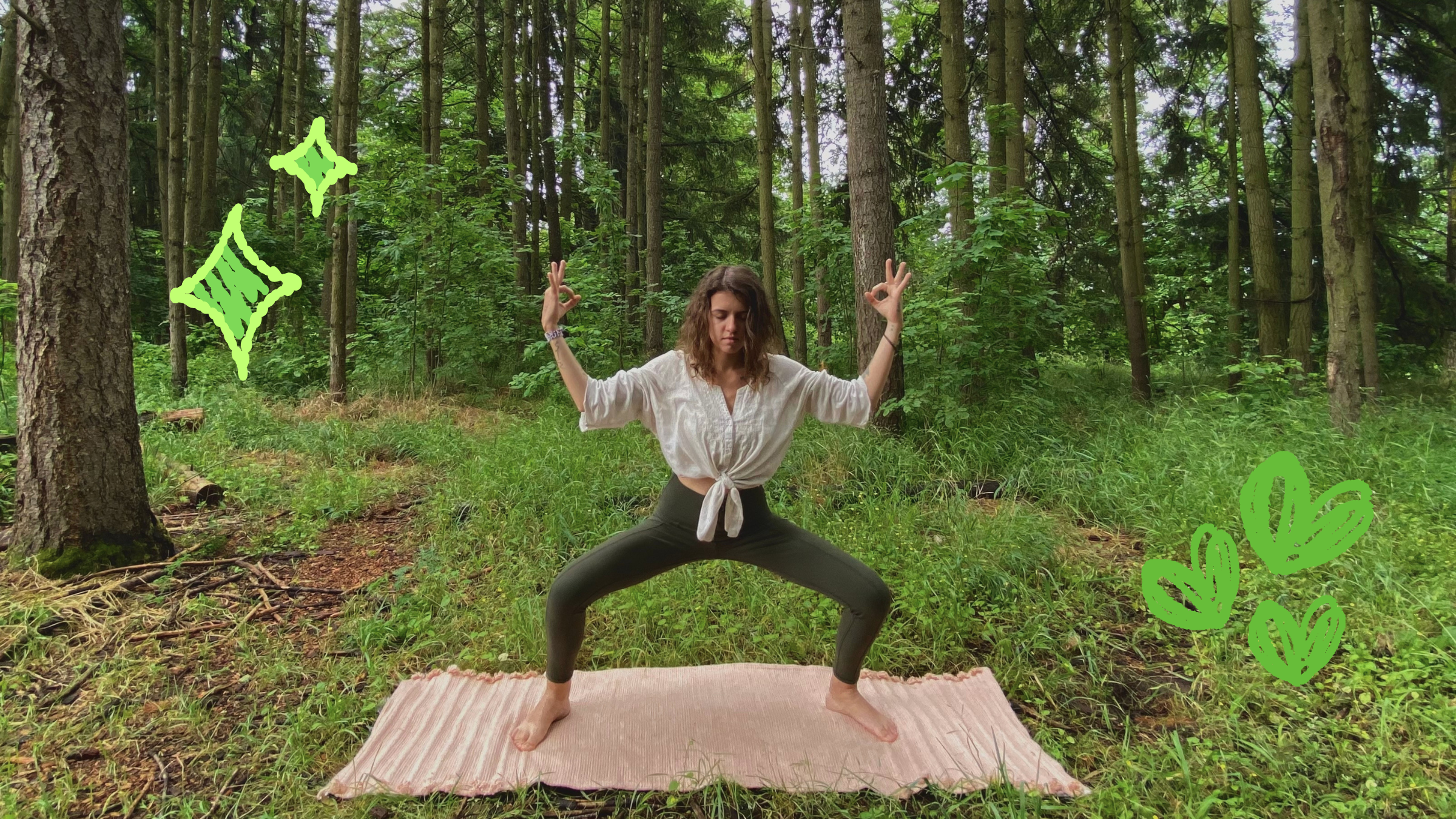
Practicing outside by myself was different. Some mornings, I lay motionless on my mat, wondering where to begin or if I even wanted to move at all. But if I gave myself the smallest grace to sink into my practice, then I could always seem to pinpoint what my body wanted. It became less about performing yoga in the correct order and allotment of time and more about listening sincerely.
Focus is undeniably harder in the real world, away from the cozy wombs of our yoga studios. But if we can cultivate it there, amidst the distractions of everyday life, it feels so much more genuine, freeing, and embodied. The yogic practice of svadhyaya, or self-study, isn’t always about reading ancient texts. Sometimes it’s as simple as paying enough attention so you can hear what your body has been saying all along.
4. Yoga was Never Meant to Be Separate from the World
Toward the end of my 30 days, I found myself practicing outside on the summer solstice. It felt very fitting. The word yoga means “union.” We often think of that as uniting the mind and body, but I’d argue it also means remembering that we are not separate from the living world around us.
My practice didn’t become “better” because I found a prettier backdrop. I’d like to think it changed because I stopped treating nature as scenery, and started allowing it to become part of the conversation.
Modern studios are beautiful spaces that offer accessibility, community, and guidance, and I’m endlessly grateful for them. But spending a month of outdoor yoga reminded me that yoga isn’t always best practiced when we’re shut off from the external world. It often shines brightest when we’re immersed in it.