
Published September 24, 2026 02:50PM
In yoga, you’re often asked to tune into your breath, initially noticing its quality and pace and then slowly deepening your inhalations and exhalations. Next, you’re usually cued to tune into your body.
So…how exactly do you do that?
There’s a reason so many yoga classes start with wrist rotations, hip circles, and neck rolls. These seemingly simple circular movements warm up the joints, help maintain their range of motion, and increase your body awareness. Physical therapists note that yoga teachers can take these movements a step further with Controlled Articular Rotations, or CARs. CARs involve moving a joint slowly and deliberately through its available range of motion while minimizing movement elsewhere in the body.
“CARs are a really low-hanging fruit for a lot of people because they’re highly accessible,” says Jen Hosler, a physical therapist and mobility specialist who learned about CARs through the Functional Range Systems (FRS) joint-health training framework. “I like to use it as a body literacy tool for people because everybody tells us to ‘just listen to your body,’ and that advice is good, but nobody teaches you how to actually do it.”
The Benefits of CARs
Practicing CARS is an effective means of caring for your joints, which are important points of connection between bones and allow us to bend, twist, and rotate. They also naturally become stiffer as you age, so practicing good “joint hygiene” can be one effective way to maintain their mobility and resilience.
When practiced daily, CARs can also help establish a baseline for how your joints normally feel and move, making it easier for you to notice when something has changed. They can also help circulate synovial fluid, the liquid inside your joints that helps them move smoothly, and supplies nutrients to keep them healthy.
Most CARs approaches can be built into an existing practice, and can be adjusted based on what sort of movement your body needs.
According to Hosler, there are three levels of CARs. Level one is an “unchallenged” CAR (think making wrist circles freely in the air) which can be used a daily staple for maintaining mobility. Level two uses “blocking,” or a prop like a yoga block, foam roller, or even the ground. to immobilize neighboring joints, which prevents other parts of the body from compensating so you stretch only your targeted joint. This can be used as a training tool for increasing your range of motion. Level three adds resistance, such as a light dumbbell, and can be beneficial for people who are hyper-mobile and need to build more body control.
Control is important, but perfection isn’t the goal. Instead, CARs is about performing movements mindfully and consistently, something yogis are already familiar with. These easy ways to add CARs into your existing practice help make your movements feel even more natural.
Like all CARs, the goal isn’t necessarily to increase your range of motion, but to maintain and better understand the range you already have.
5 Ways to Add CARs to Your Yoga Practice
Painless clicking or popping in the joints can be normal, especially when you’re new to CARs. Hosler recommends making the circle smaller if you experience pinching or compression and seeking professional guidance if you feel pain or instability in the joint.
1. Shoulder Circles in Child’s Pose
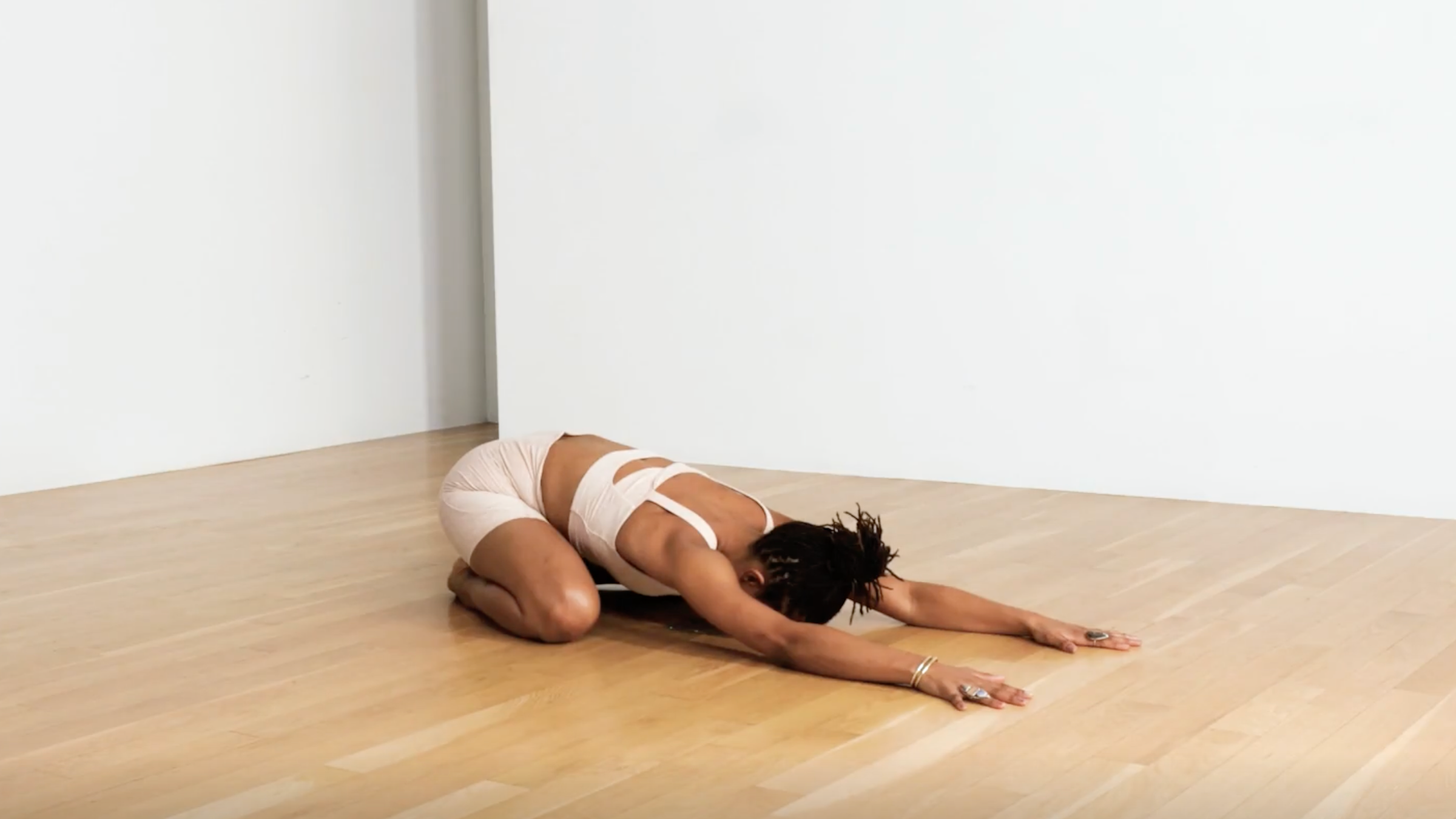
A natural starting point on the mat, Child’s Pose is a great place to add a shoulder CAR. The shape of the pose helps limit compensation from your thoracic spine and isolates the movement to your shoulder joint, expains Hosler.
How to: With your forehead on the mat, push against the floor with your left hand to stabilize your back as you slowly lift your right arm off the mat, sweep it out to the side, and rotate it behind you with your elbow pointing toward the ceiling.
Reverse the movement and repeat a few times on each side.
2. Hip Circle in Tabletop Pose
Tabletop is a familiar pose for anyone who practices Cat and Cow. But according to physical therapists, it’s also a useful place to incorporate hip circles.
How to: Grounding down through your hands, bring your right knee toward your chest. Keeping your belly button facing the mat, open your left knee out to the side. Continue rotating the thigh as you reach your foot back and up, almost as if you’re stamping your foot on the ceiling. Then draw your knee back underneath you before reversing the movement.
Repeat a few times on each side.
3. Wrist Circles in High Lunge
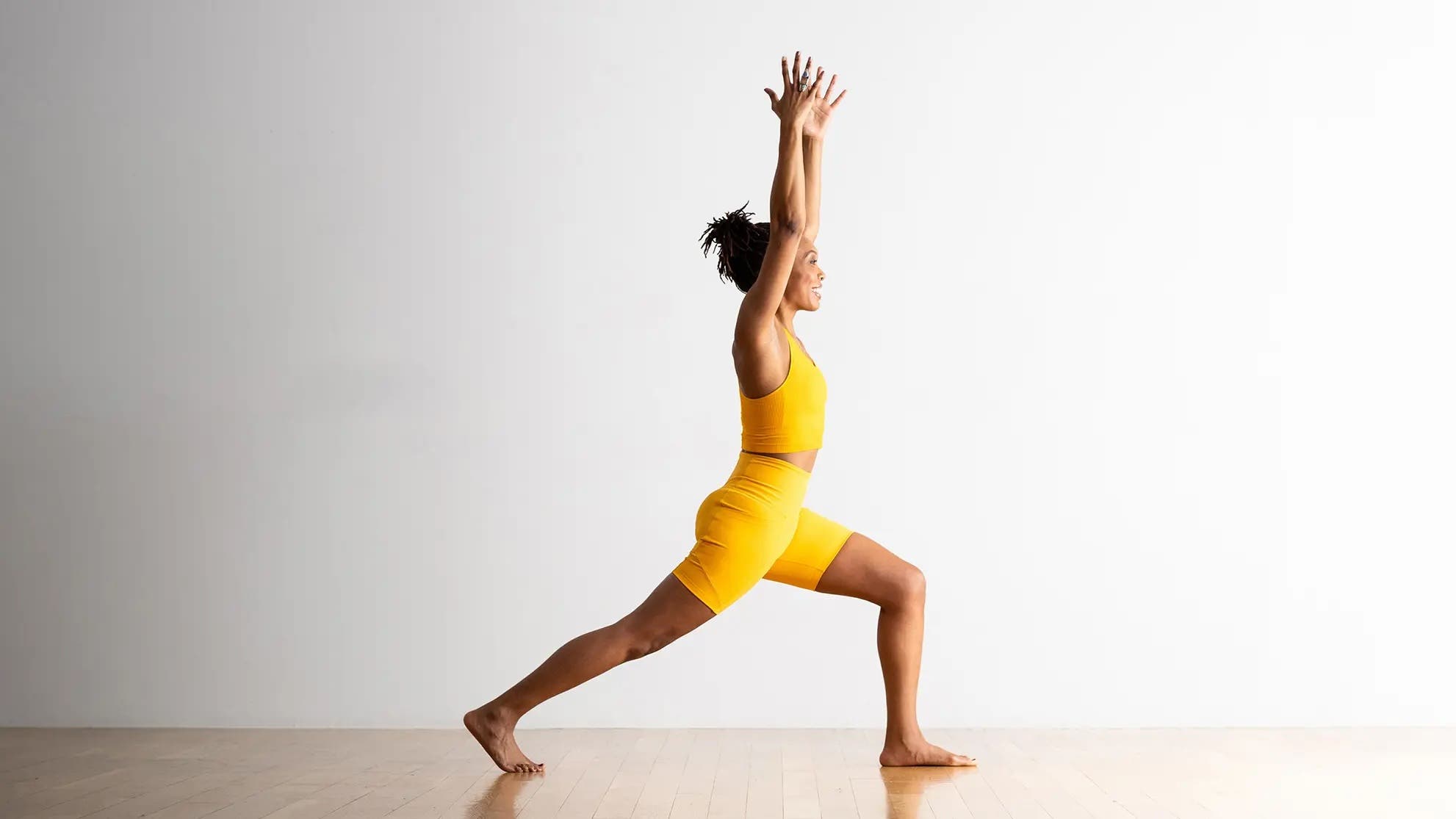
Wrist circles are an important mobility warm-up, especially if you practice handstands or arm balances. One way to incorporate them into your practice is to add them to High Lunge.
How to: From High Lunge, reach your arms forward, in line with your shoulders, and begin to rotate one wrist by drawing circles in the air with your hand, moving the joint through flexion, side-to-side movement, and extension while keeping your forearm as still as possible. You have the option to hold your forearm with your opposite hand to prevent it from moving. Play around with performing these wrist circles with your hands in fists or with your fingers extended to see which feels better for you. Don’t forget to switch sides.
As a bonus, a few of these wrist circles in either direction might even distract you from the burning sensation in your quads.
4. Ankle Circles in Half Split
You frequently flex and dorsiflex your feet in yoga, but actively rotating your ankles can help you explore the other, often overlooked, ways the joint can move.
How to: From Half Split, extend one leg forward with your heel grounded and use blocks under your hands for support as needed. Flex your foot by drawing your toes toward your shin, then roll the foot outward and down, pointing your toes away from you. Continue the circle by rolling the foot inward as you bring it back up toward a neutral position. Keep the heel grounded throughout the movement, and if helpful, use the opposite hand to gently hold your shin in place to minimize movement elsewhere in the leg.
Switch directions and repeat a few times on both sides.
5. Knee CARs in Heron Pose
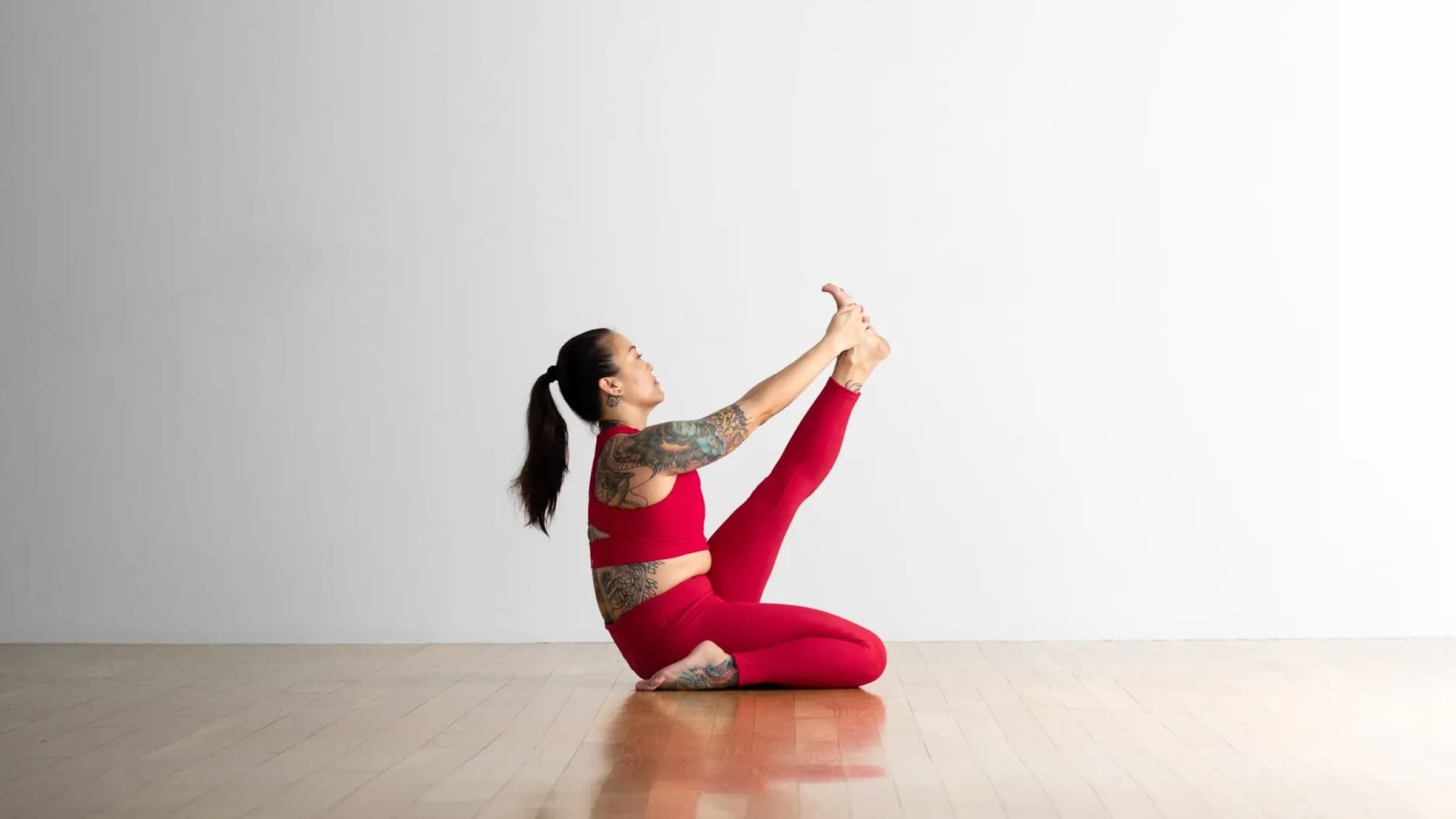
While the full expression of Heron Pose requires considerable hamstring flexibility, a bent-knee variation is a great place to explore your available internal and external tibial rotation.
How to: Sit up tall and hug a forearm under your left knee or clasp your hands behind your thigh to limit movement of your hip and thigh. With your leg lifted off the mat and your ankle stabilized, externally rotate your shin and extend your leg upward, then internally rotate the shin and bring it back down to a neutral position.
Reverse the direction and repeat a few times. Then switch sides.
Note: Knee CARs are subtle and require some mindfulness to ensure you’re not compensating by just rotating the ankle. It can be helpful to place a hand on top of your knee bone to feel it shift from side to side.