
What’s essential is rarely flashy.
(Photo: Andrew Clark; Design in Canva)
Published May 12, 2026 06:00AM
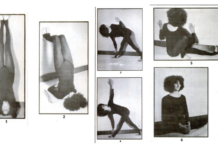
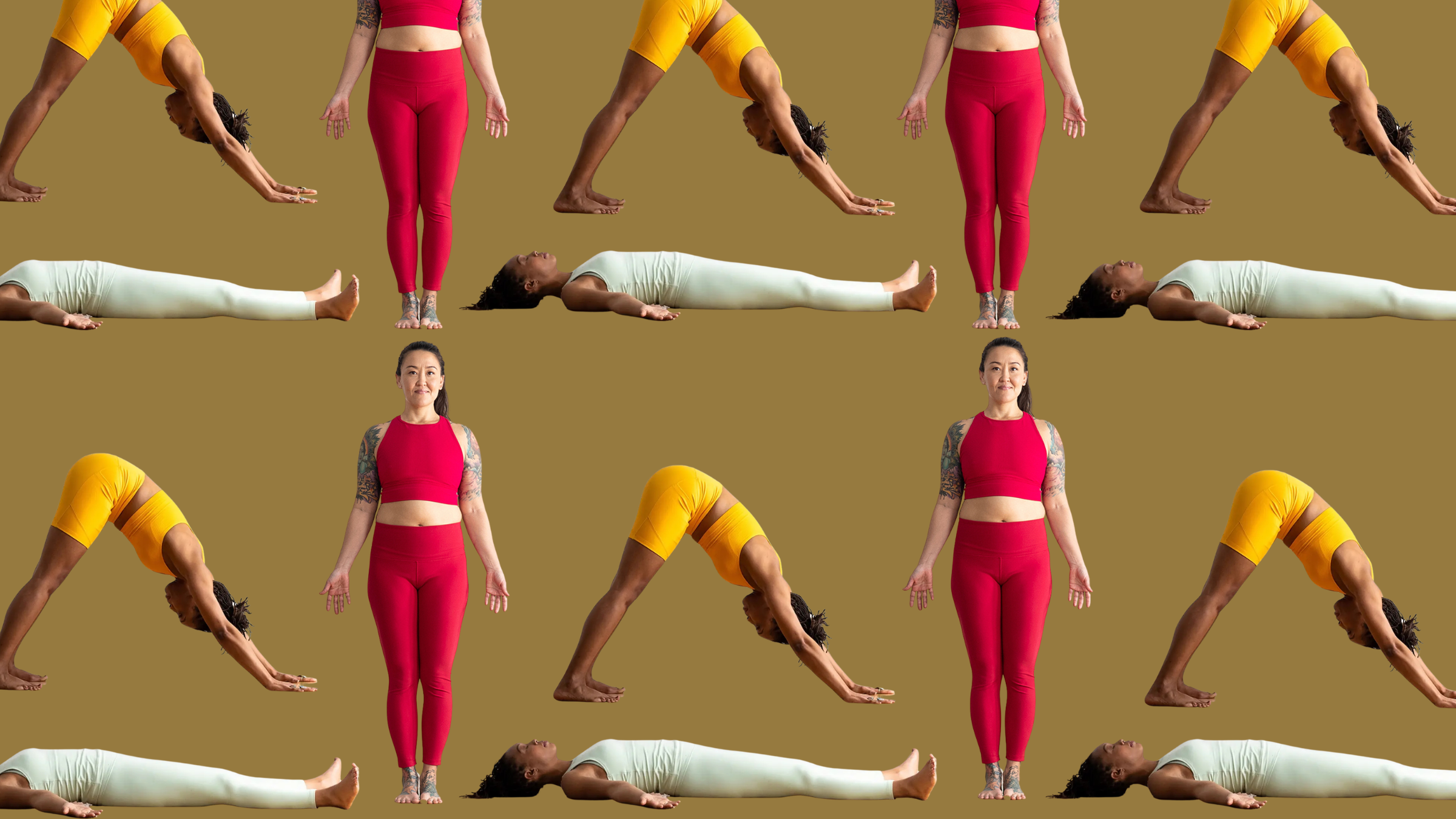
There are 84 physical yoga poses, or asanas, in a traditional practice (though the specific number depends on who you consult). When you take modern postures into account, that number increases to somewhere around 300. Add variations and recently made-up poses and you’ll be in the 1000s. But in terms of foundational shapes that set the tone for your entire practice, there are three yoga poses stand out (or lie down) among the crowd. And, as with most essentials in life, they’re some of the most deceptively simple.
Although some practitioners favor more challenging poses—think inversions like Headstand, arm balances like Crow Pose, or whatever twisty, visually striking shape comes to mind—there’s profound power in some of the most foundational asanas. They’re the postures you return to again and again and that provide space to ground, align, and integrate.
The following yoga poses inform how you show up in every other shape—both on your mat and throughout the day.
3 Foundational Yoga Poses for Any Practice
When you think about yoga, which poses come immediately to mind? If it’s one of this trio, we’re right there with you.
1. Mountain Pose
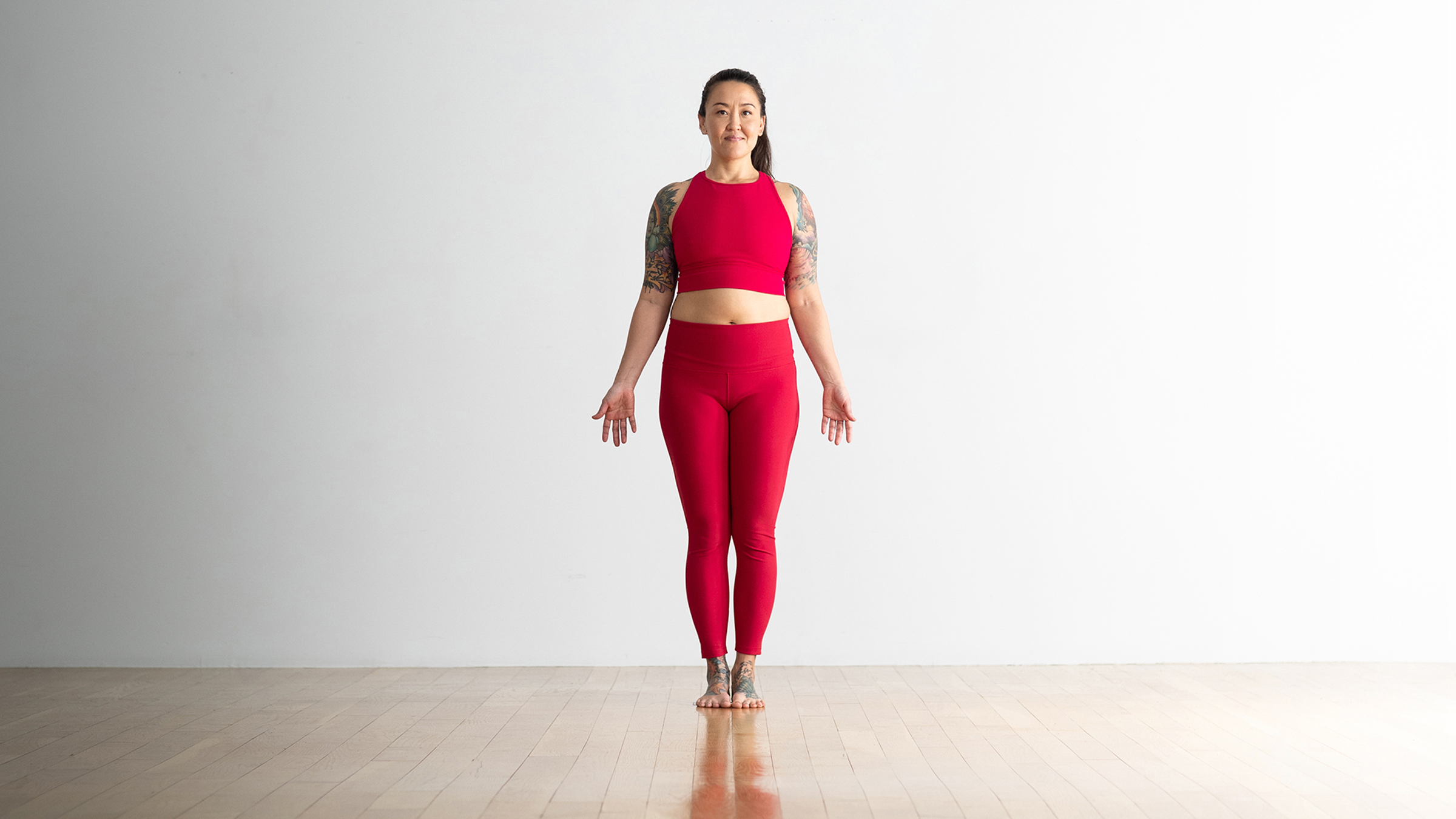
It’s just…standing there. Right? Yes and no. Mountain Pose (Tadasana) is a microcosm of all of yoga. It’s alignment, balance, effort, and ease, all folded into a posture that you take nearly every day of your life (though perhaps in slightly more causal form).
Mountain provides an opportunity to check in with your spinal alignment and ability to ground through your feet and sync with your breath before you attempt to move into the literal ups and downs of any practice. True strength and steadiness here will result in a foundation that’s consistent and secure, giving you more room to play as you go through every other pose.
2. Downward-Facing Dog
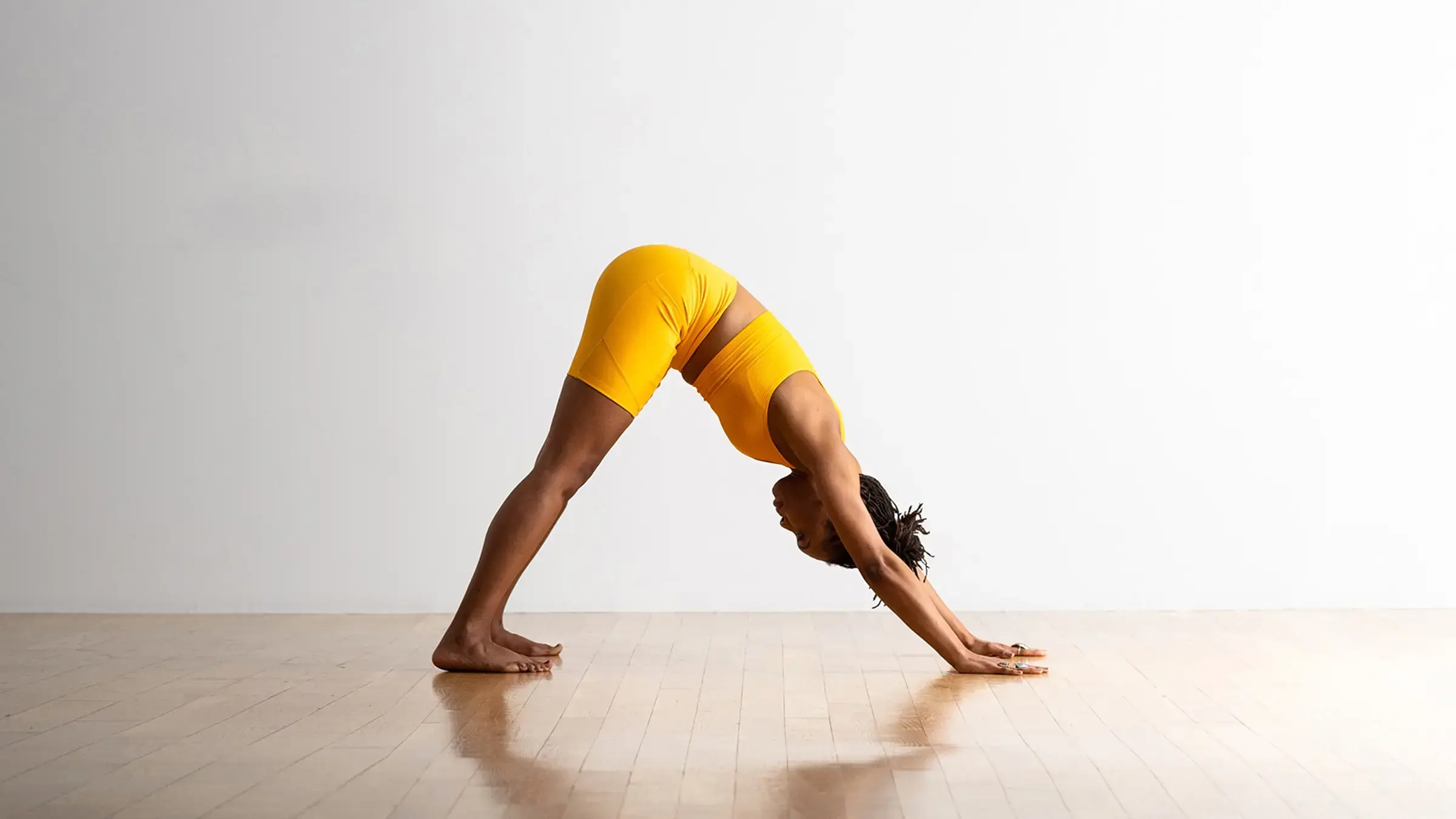
A pose you come back to over and over in most flows, Downward-Facing Dog (Adho Mukha Svanasana) is both utilitarian and iconic. Though it can be frustrating to hear teachers refer to this as a “resting pose” mid-class, there’s something to be said for reframing Down Dog as a space for reset and allowing rather than exertion and effort.
The shape itself is one of yoga’s magic tricks, building strength throughout your body while stretching arms and legs and shoulders. When you learn to find alignment and sync your breath while upside-down, it becomes a little easier to do so everywhere else. Down Dog is also honest. If you’re experiencing tension, tightness, or misalignment, it will become evident here—and thus easier for you to address.
3. Savasana
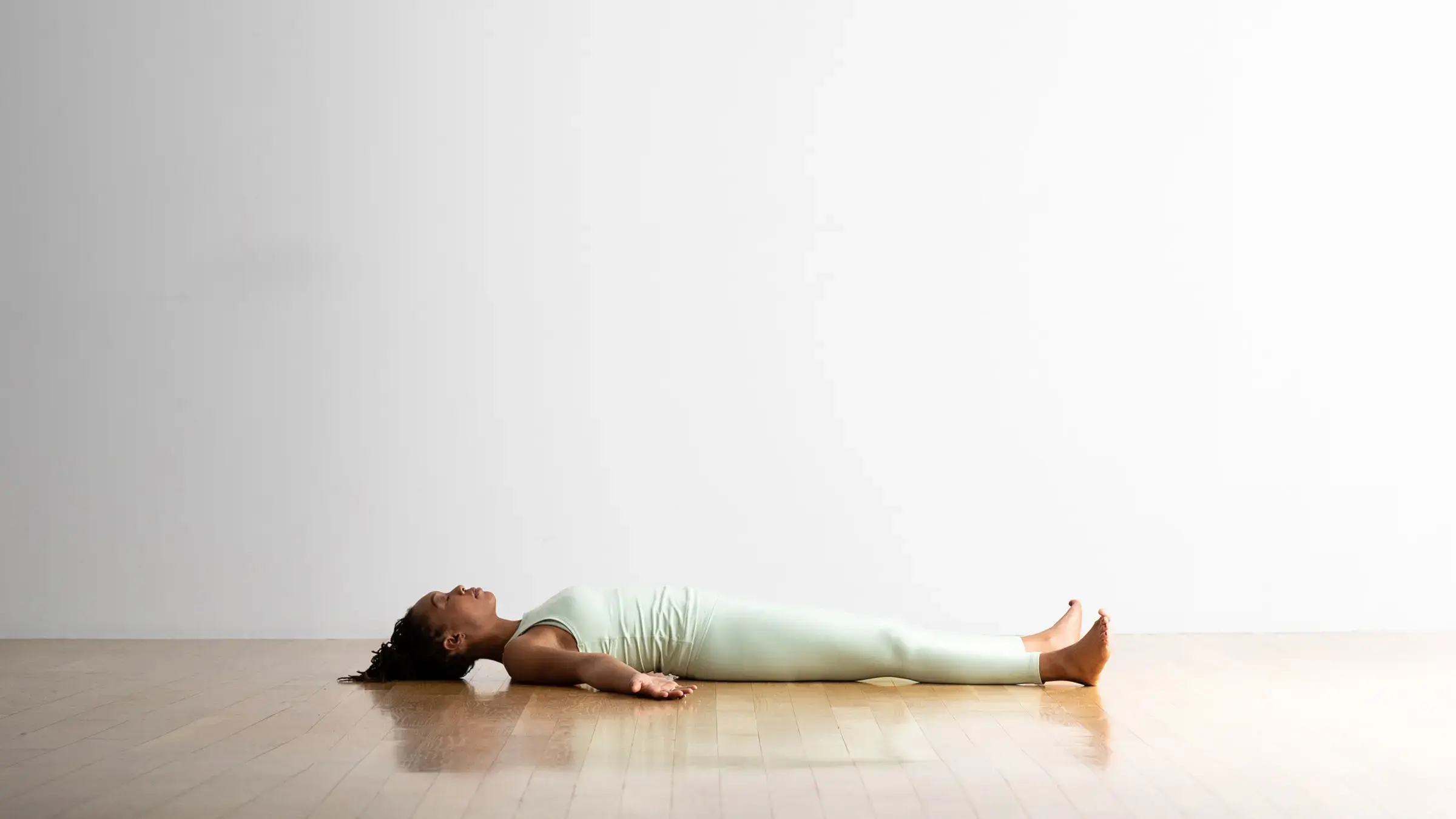
It’s not a mistake that Savasana is known as Corpse Pose—it’s a mini death, the ultimate release. This pose is about not doing, which can be incredibly challenging. But it’s also crucial. Some teachers (and students) assert that a yoga class is unfinished without at least five minutes in Savasana.
The shape and mindfulness of Savasana allow your body and mind the space to integrate everything that happened throughout your practice. Without it, as with the failure to align breath with movement, yoga is just another movement class. The stillness you’ll find here is medicine, and the true reason why so many regularly make it to their mats.