
Updated May 8, 2026 02:18PM
In a world that rewards dynamic speed and quick reactions, many people miss out on the benefits of a commonly misunderstood practice—having compassion.
Although you might consider compassion a “soft” quality, it’s actually a hidden strength. Think of compassion as a bridge between awareness and action. It’s one thing to acknowledge that someone is going through a difficult time; it’s quite another to stay open and give grace to them for that reason.
Similarly, when you are self-compassionate, you meet your own thoughts and emotions with kindness instead of criticism. Compassion shows up in the ways you speak to yourself, the ways you show love, and the ways you embrace yourself and others.
As with any skill you wish to develop, compassion is something that takes consistent practice. Yoga helps you strengthen this quality in ways that might surprise you.
How Yoga Helps Build Compassion
On a physical level, heart-opening yoga postures, including backbends, counter the “protective” shape you might find yourself in while spending long hours hunched over devices and working under pressure. Over time, the body and mind feed off each other’s guardedness.
When you move mindfully and breathe slowly as you do in yoga, you activate your nervous system’s “rest and digest” state. That gives you more space to process your emotions and tap into a greater sense of compassion.
And, according to yoga tradition, it’s when you stretch your front body and literally “open” it to the world that you’ll experience emotional release and a greater sense of receptivity toward yourself and others.
5 Heart-Opening Yoga Poses to Help You Practice More Compassion
Movement, breath, and subtle awareness can help create a feeling of openness in both body and mind. Creating that space means you have more room to accept people and situations for how they truly are without judgment. Move slowly and let your breath guide the pace. These are not poses to perform. They are opportunities to observe, acknowledge, and appreciate yourself.
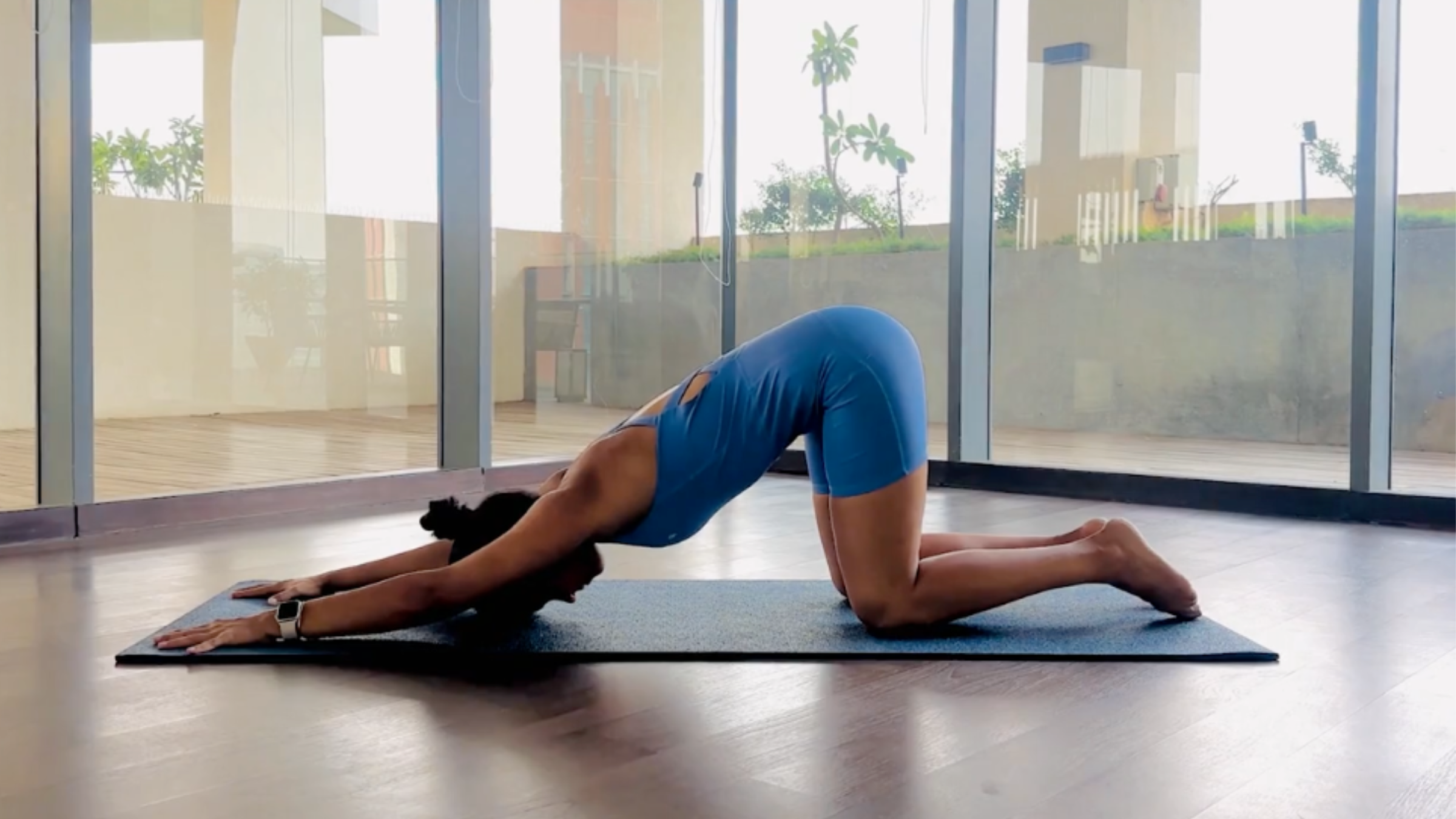
1. Puppy Pose (Anahatasana)
This stretch creates space in the chest and shoulders while inviting you to embrace softness and surrender.
How to: Begin on your hands and knees. Walk your hands forward and allow your chest to melt toward the mat while keeping your hips stacked above your knees in Puppy Pose. Rest your forehead or chin on the mat or a pillow, depending on what feels most comfortable for your neck and shoulders. Breathe deeply into your rib cage, side body, and upper back. Stay here for 5-8 breaths.
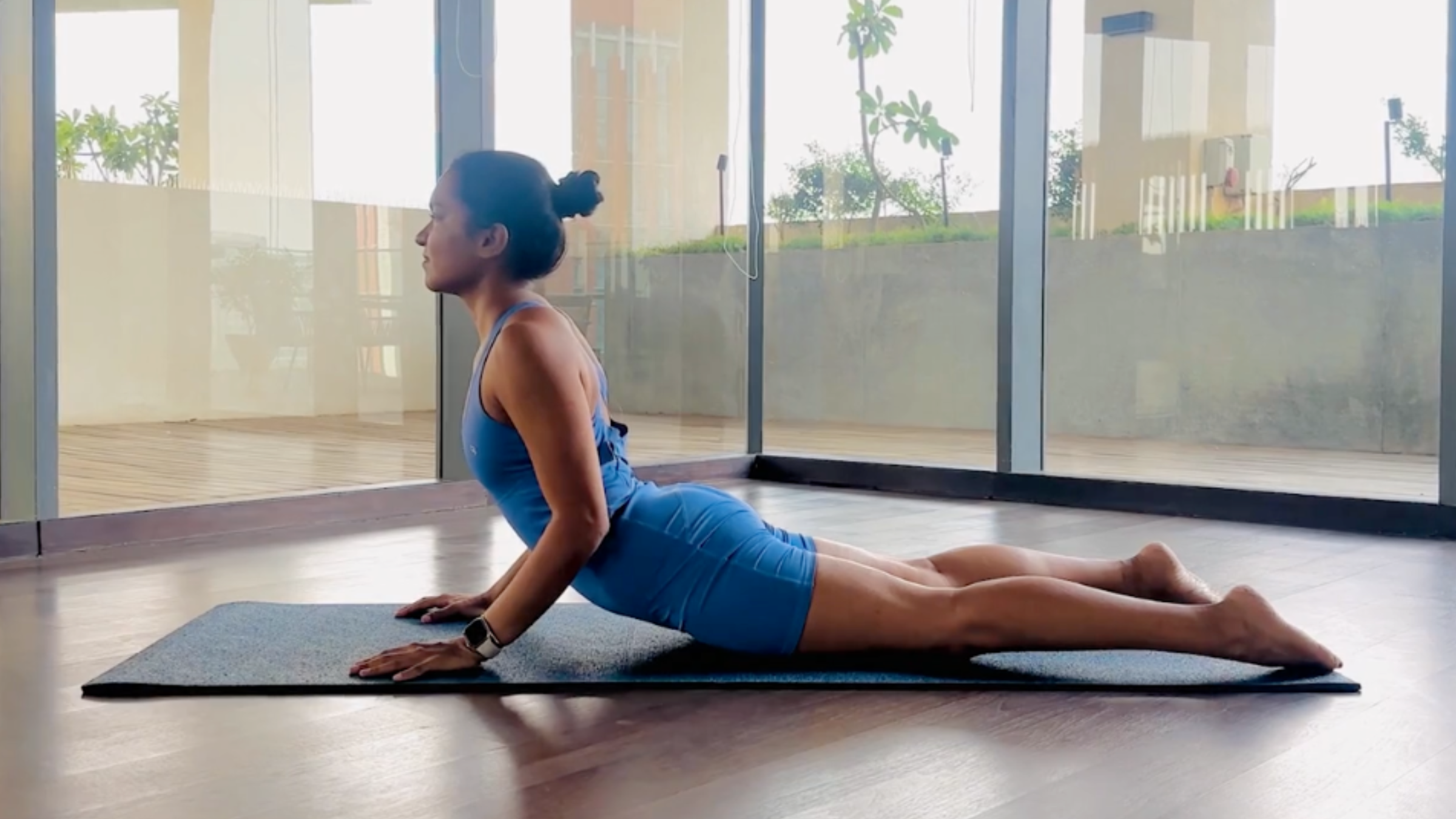
2. Cobra Pose (Bhujangasana)
A backbend that’s not too physically intense, Cobra allows you to remain grounded as it encourages a slight lift in your heart space. It’s a balance between strength and softness.
How to: Lie on your belly with your legs extended straight behind you and the tops of your feet pressing into the mat. If your low back is tight, take your feet wider than your hips. Place your palms beside your lower ribs and draw your elbows close toward your body. On an inhalation, slowly lift your chest in Cobra Pose, using the strength of your back more than the push of your hands. Draw your shoulders toward each other and keep your neck relaxed. Keep looking forward and down to keep the back of your neck long. Stay here for 3-5 breaths, then slowly lower your chest to the mat. Repeat 2-3 times.
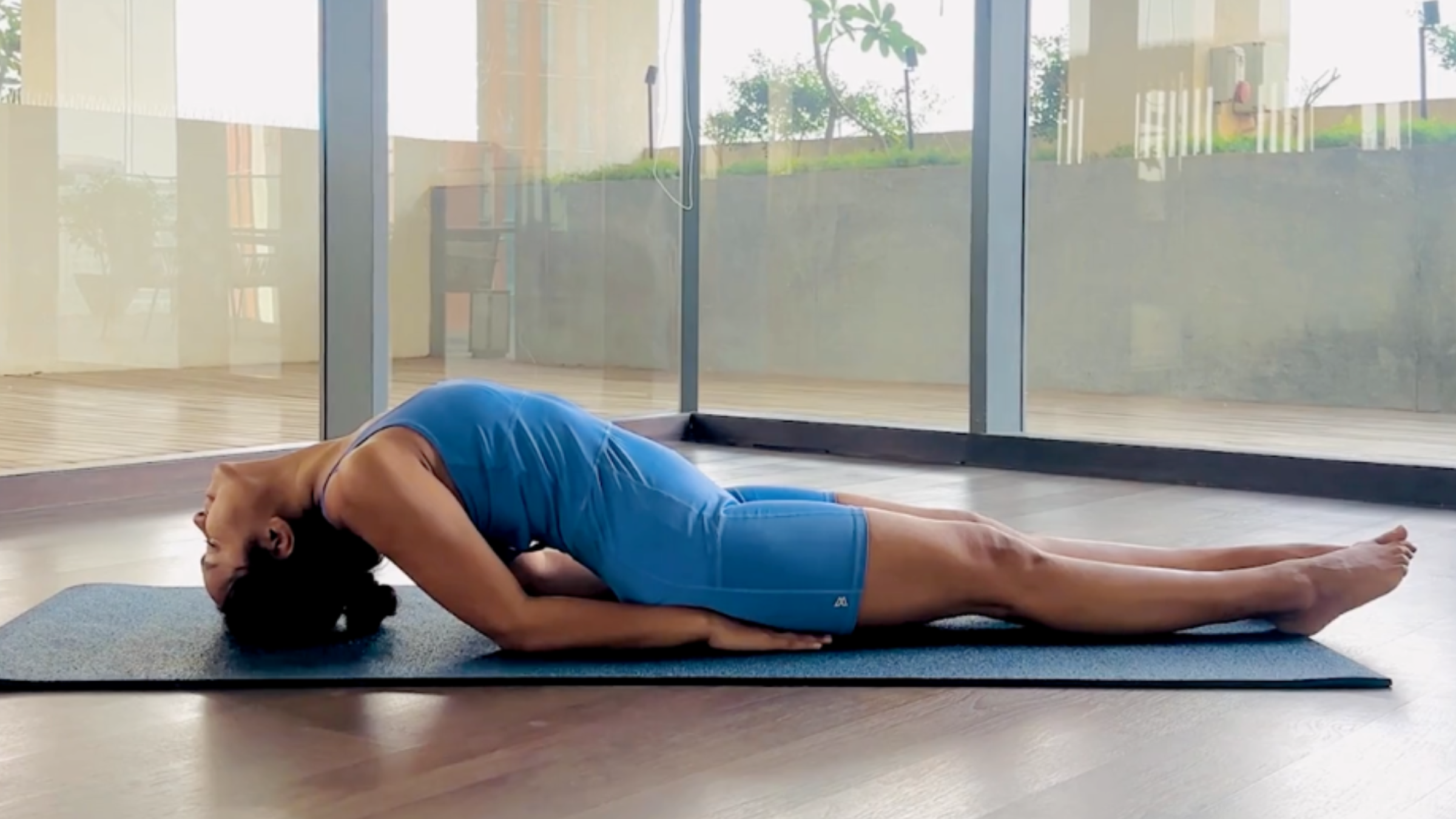
3. Fish Pose (Matsyasana)
In this heart-opening yoga pose, the chest and throat might feel particularly exposed. They’re areas associated with expression, emotion, and vulnerability—which are the energetic qualities essential for compassion.
How to: Lie on your back with your legs extended straight or keep your knees bent and your feet on the mat, hip-width apart, if that feels more supportive for your lower back. Slide your hands underneath your hips, palms down, and then press into your forearms to lift your chest upward. Allow the crown of your head to tilt back and lightly touch the floor in Fish Pose without putting excess weight into your neck. Keep your breath smooth and your chest broad. Stay here for 3-5 breaths.
 (Photo: Courtesy Riya Davda)
4. Wheel Pose (Chakrasana)
This challenging backbend is a reminder that leading with your heart is a powerful choice.
How to: Lie on your back with your knees bent and your feet on the mat, hip-width apart. Reach your arms overhead and plant your palms on the mat alongside your ears, your fingers pointing toward your shoulders. On an inhalation, press your hands and feet into the mat and lift your hips until the crown of your head is just off the mat in Wheel Pose. Draw your elbows toward each other and your knees toward each other so they don’t splay to the sides. Stay here for 3-5 breaths.
To come out of the pose, draw your chin toward your chest and lower your hips to the mat.
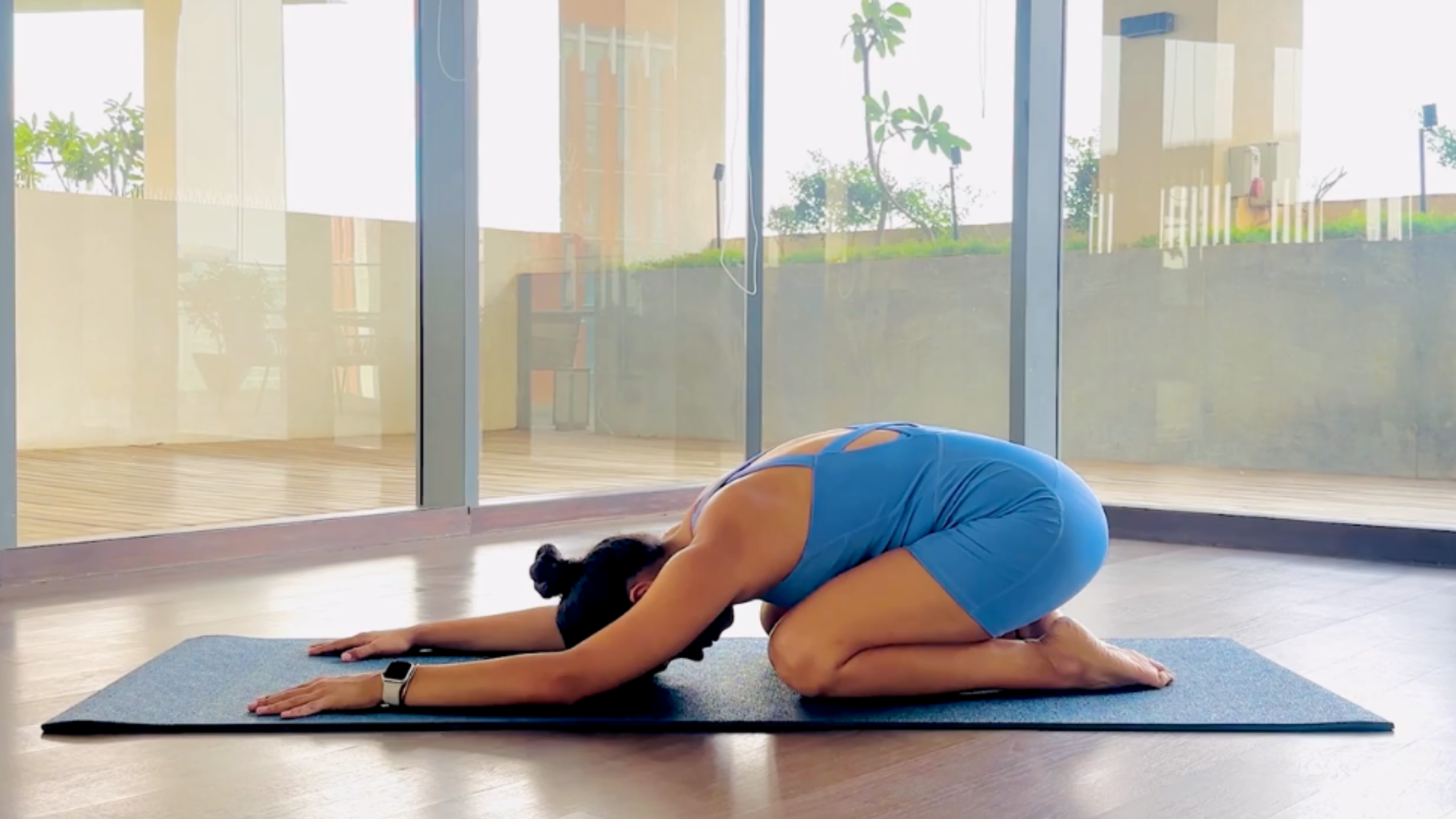
5. Child’s Pose (Balasana)
Compassion isn’t only about opening up. It’s also about feeling supported and held. Child’s Pose isn’t just a counterpose to heart-openers, but an underappreciated way of releasing the back of the heart space or heart chakra.
How to: Begin on your hands and knees. Take your knees as close together or apart as feels comfortable. Shift your hips back toward your heels. Walk your hands forward on the mat as you fold your chest forward. Rest your forehead on the mat or on a pillow in Child’s Pose. Soften your jaw, shoulders, and belly. Relax your shoulders. Stay here for 5-10 breaths.
Additional Yoga Practices for Compassion
Sometimes it’s easier to feel compassionate toward each other when you realize you’re part of something larger than yourself. That’s the type of emotional resonance other yoga practices, including chanting and meditation, can help you access.
Mantra Chanting
The repetition of sound during mantra chanting creates a rhythmic focus that can help soften the edge of negative emotions by grounding you more in the present moment.
How to: Come to a comfortable seated position. Rest your palms together at your heart in prayer position (anjali mudra) or place your hands gently over your chest. Chant om three times. You could instead silently or softly repeat a phrase that holds meaning for you, such as, “May I be kind,” or “May others be at ease.” Continue for 1-3 minutes.
Loving-Kindness Meditation
This practice supports emotional softness, self-compassion, and a heightened sense of connection with yourself and others. The below is a shortened version of a loving-kindness meditation you can practice anytime, anywhere.
How to: Sit comfortably with your back relaxed but upright. Close your eyes or soften your gaze. Begin by silently repeating phrases such as, “May I be safe,” “May I be peaceful,” or “May I live with ease.”
After a few rounds, bring to mind someone you love and offer them the same phrases. Then extend these wishes to a neutral person, someone difficult, and eventually to all beings. Continue for 3-5 minutes, or longer if it feels supportive.
Compassion Grows in Community, Too
In addition to individual practice, yoga has always emphasized the importance of a spiritual community known as sangha. Compassion often deepens when we look beyond our subjective preferences, and become willing to recognize what struggles another person or a group of people might be carrying. Sangha reminds us that yoga is about relationship building—with ourselves and others.
When compassion is integrated in your practice, yoga begins to extend far beyond the mat. It becomes a way of life.