
Be gentle with yourself and find the support you need.
(Photo: Andrew Clark; Design in Canva)
Published August 25, 2026 05:55AM
Processing a loss while also figuring out how to deal with the accompanying grief can feel like moving through a dense fog. It can be difficult to determine your direction when nothing makes sense, and stopping completely until the weather is better can seem like the best option. Although you can’t control the circumstances around your grief, you do have some say in how you respond to it.
You could try to think your way out of grief—most of us do!—but feeling your feelings tends to begin with your body. The following yoga poses prioritize support and comfort, allowing you to safely explore stillness and any emotions that might arise. And if that sounds like too big an ask, practicing these poses can also simply give you a place to rest.
How to Deal with Grief: 6 Poses for Support and Release
Stock up on comfy props (think blankets, pillows, blocks, and bolsters) that can help you feel held in each of these shapes. Add and subtract support as you see fit in each of the poses.
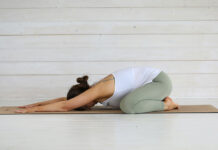
1. Child’s Pose
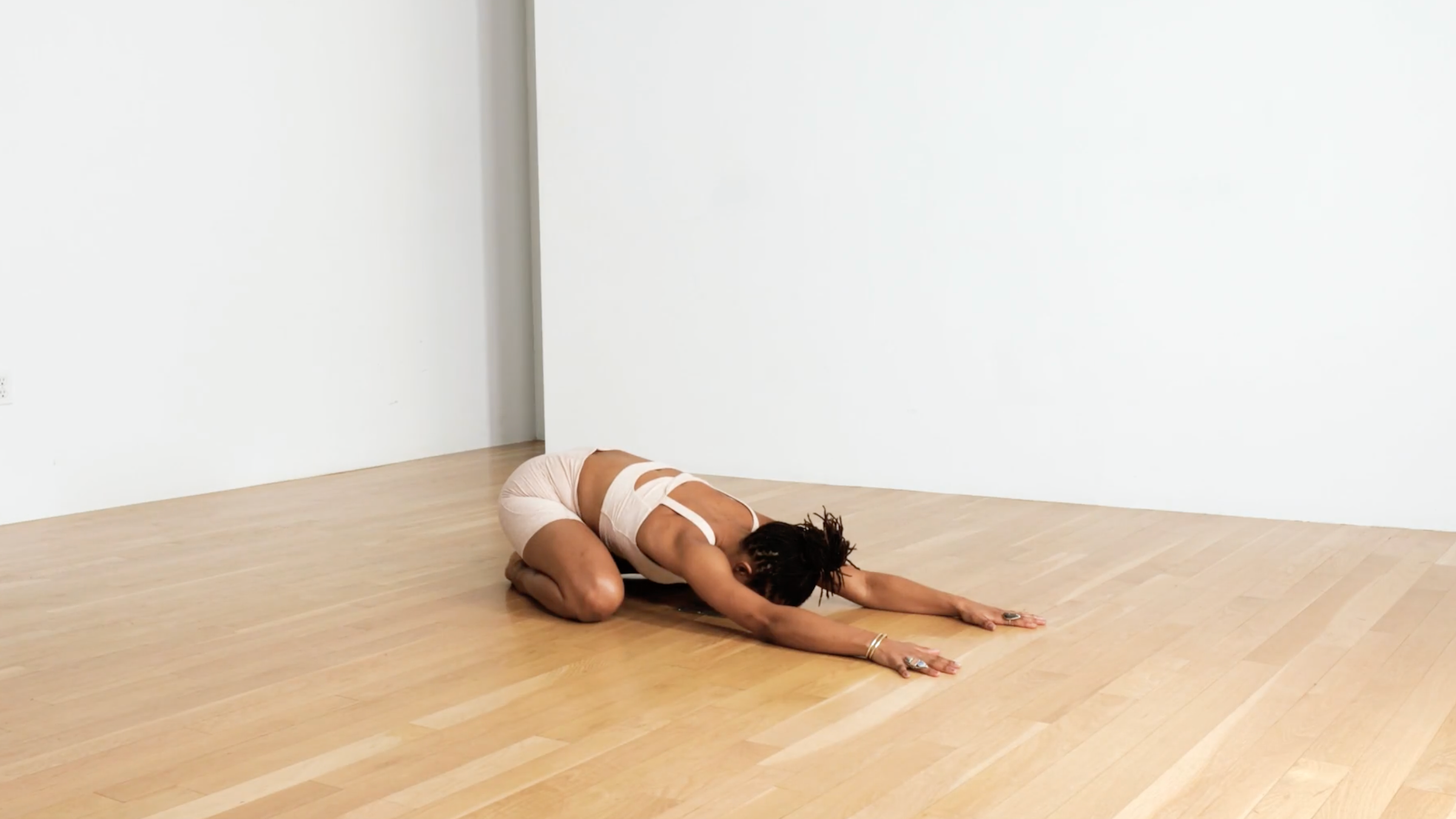
Child’s Pose is a true pause in physical form, making this shape (like grief, unfortunately) a study in surrender. As you spend time sitting back, reaching forward, and trying to let it all go, try to cultivate patience with yourself as you navigate life’s darker moments.
2. Cat-Cow
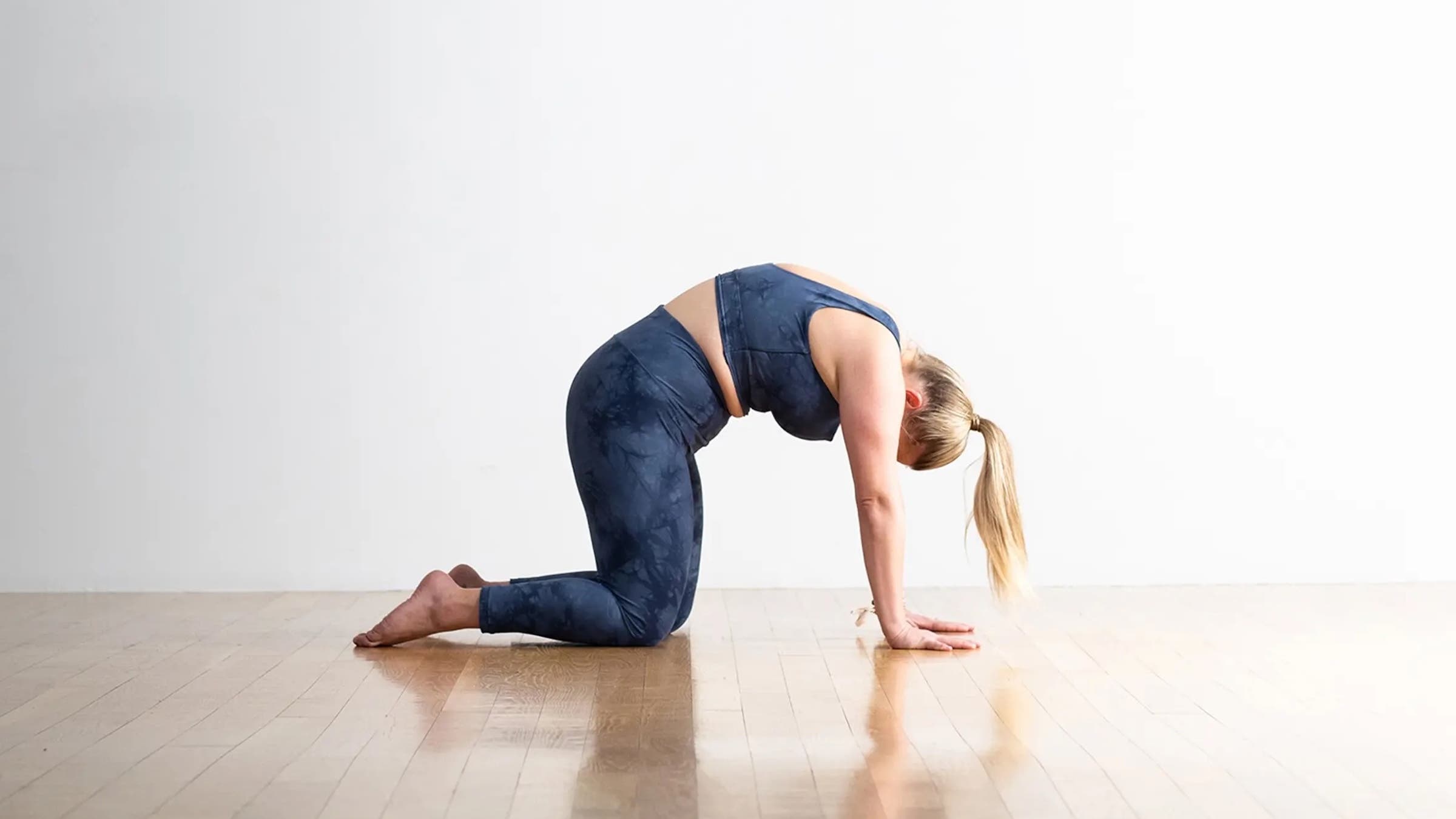
Matching your movement with your breath is an effective means of tuning into your body and your emotions. Cat Pose asks you to round your back and tuck your chin, signaling surrender and release, and is typically paired with an exhalation.
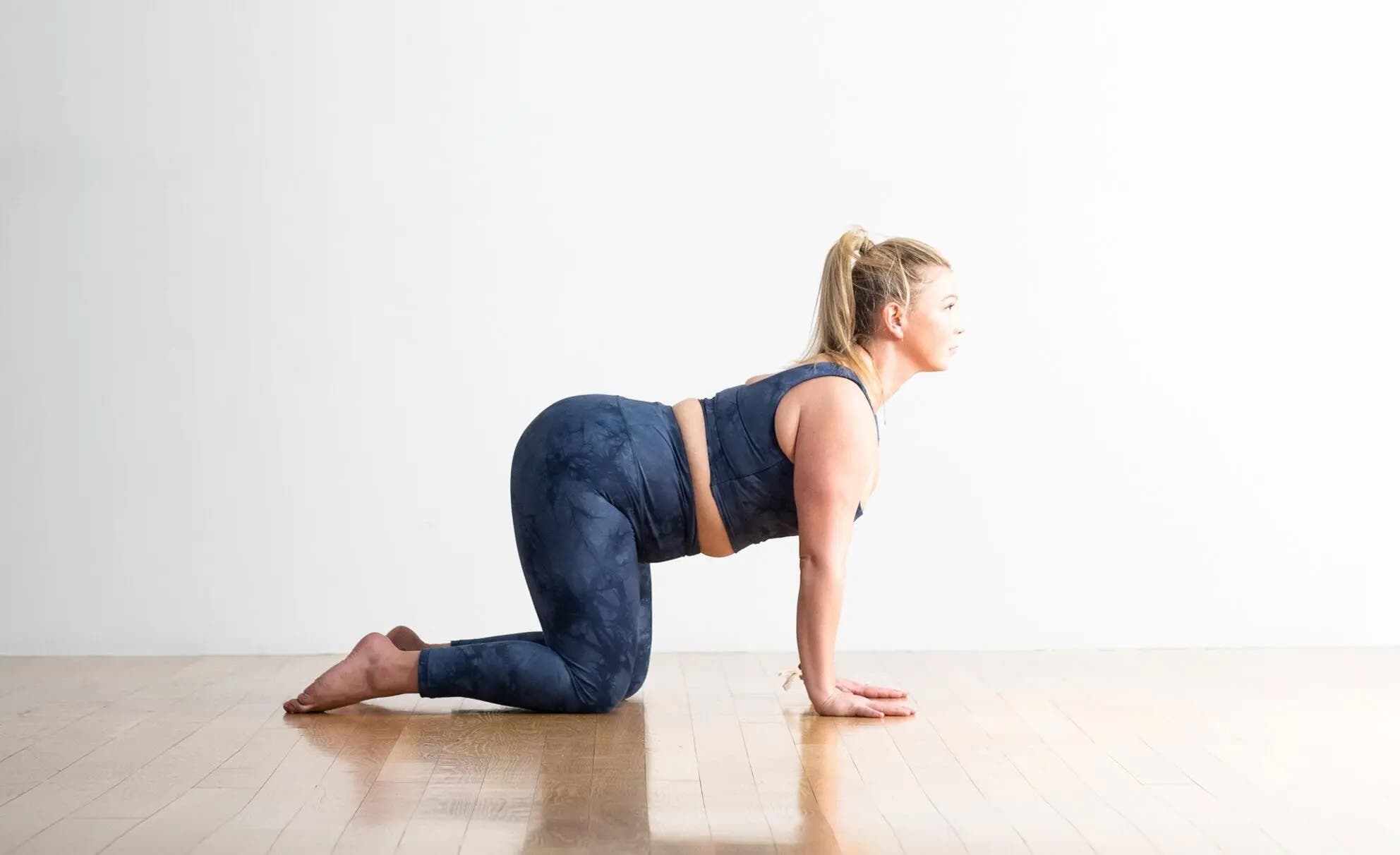
Cow Pose teams with your inhalation and brings your back into an arch to open your chest, helping you gather the air you need to make your next move.
3. Supported Fish Pose
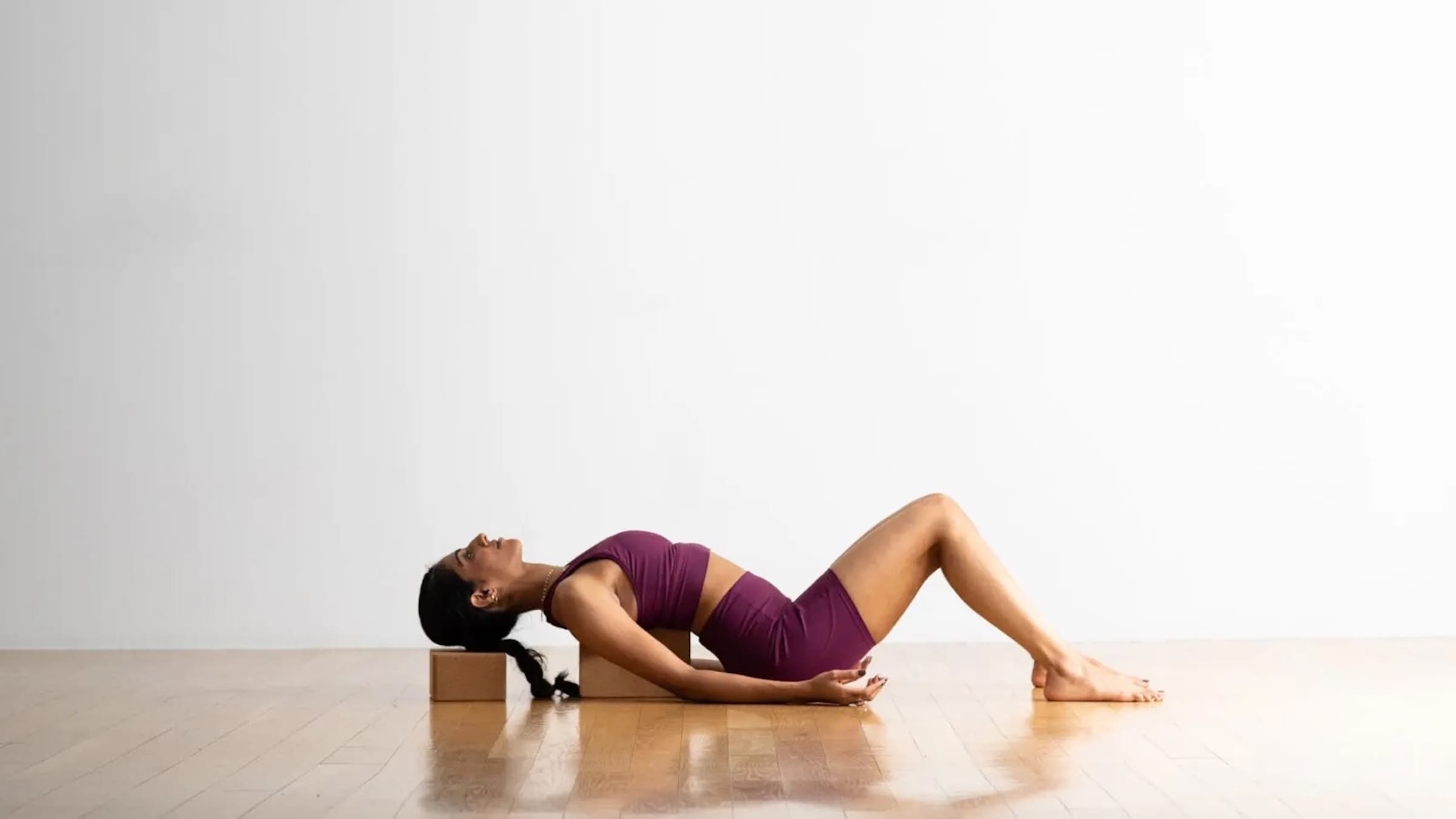
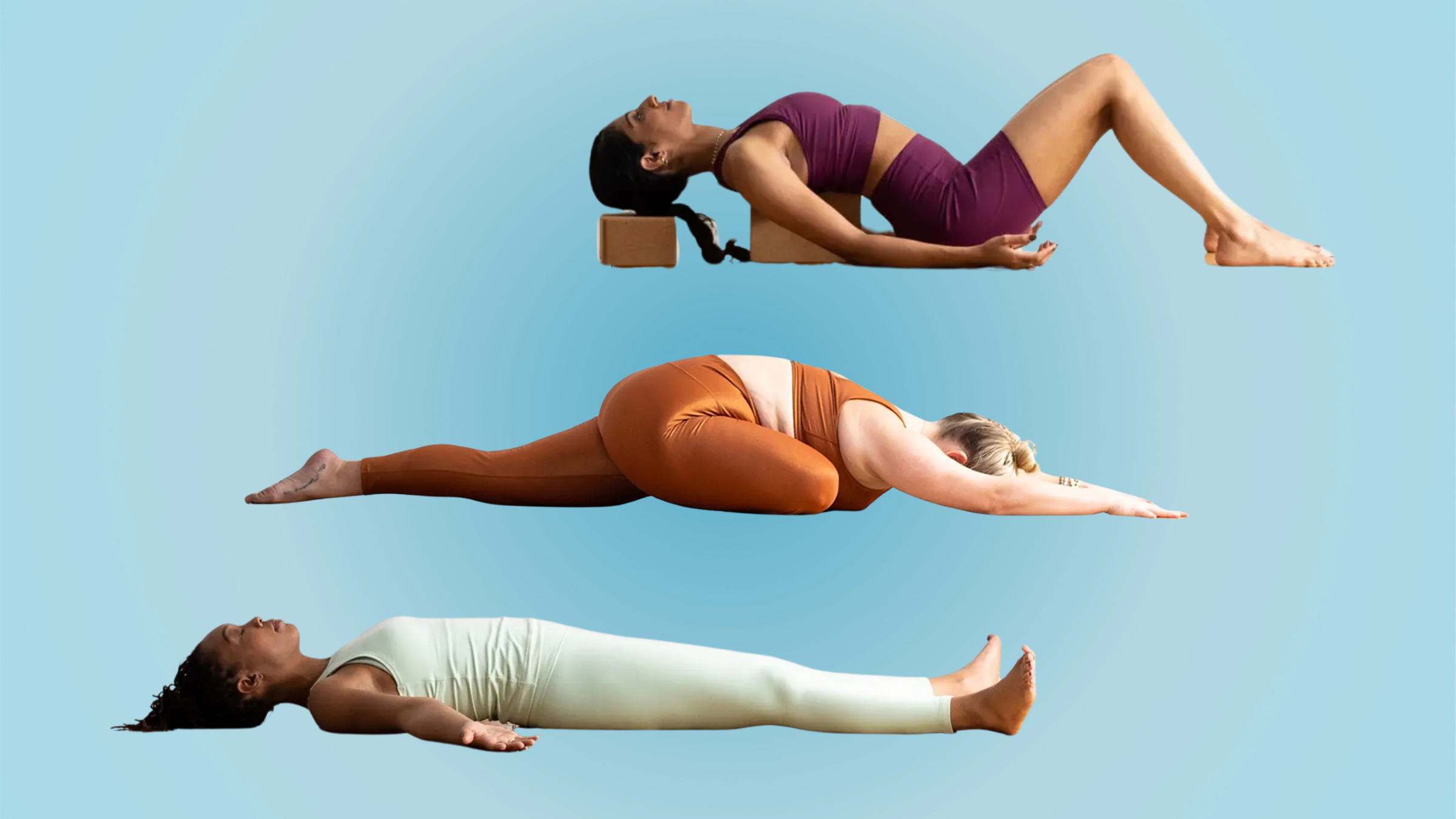
Opening your heart space helps makes room for release—even if not right away. The supported version of Fish Pose opens your chest and heart in a gentle manner, signaling strength and making room for your feelings to (eventually) flow.
As a bonus, Fish also opens your throat chakra—so if there’s something you need to say as you work things out, this pose can help make that possible.
4. Pigeon Pose
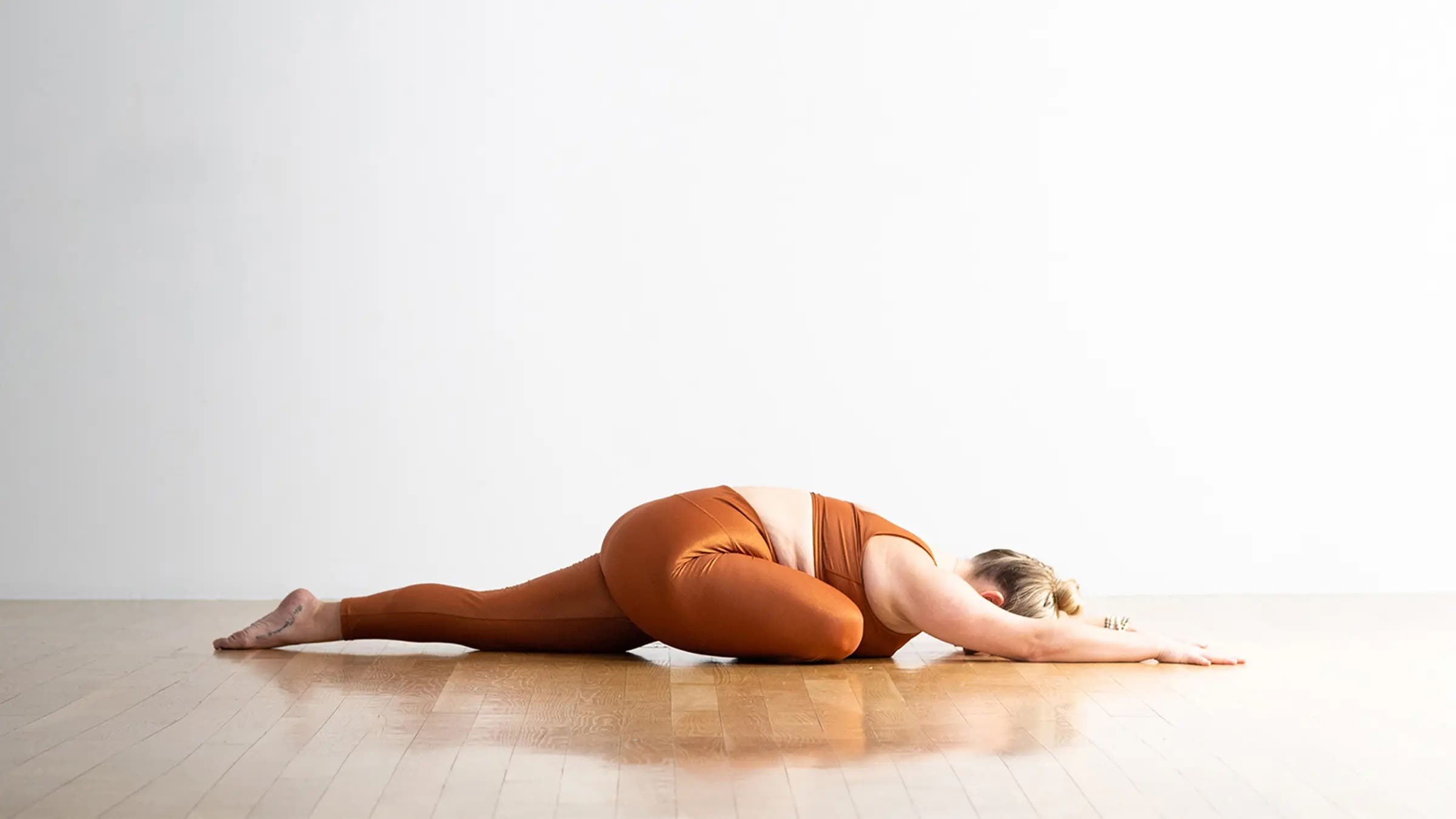
It’s said that the hips store difficult-to-process emotions. Pigeon Pose is among the most intense hip openers in yoga. When held for 3-5 minutes, as is traditional in yin yoga, you can expect even the stickiest of feelings to at least begin the journey of moving through you.
That intensity can be a good thing. Allow the physical sensation to offer some active distraction as you process things passively. But if you experience more than mild discomfort, ease your way into a version of the pose that feels more doable for you.
5. Savasana
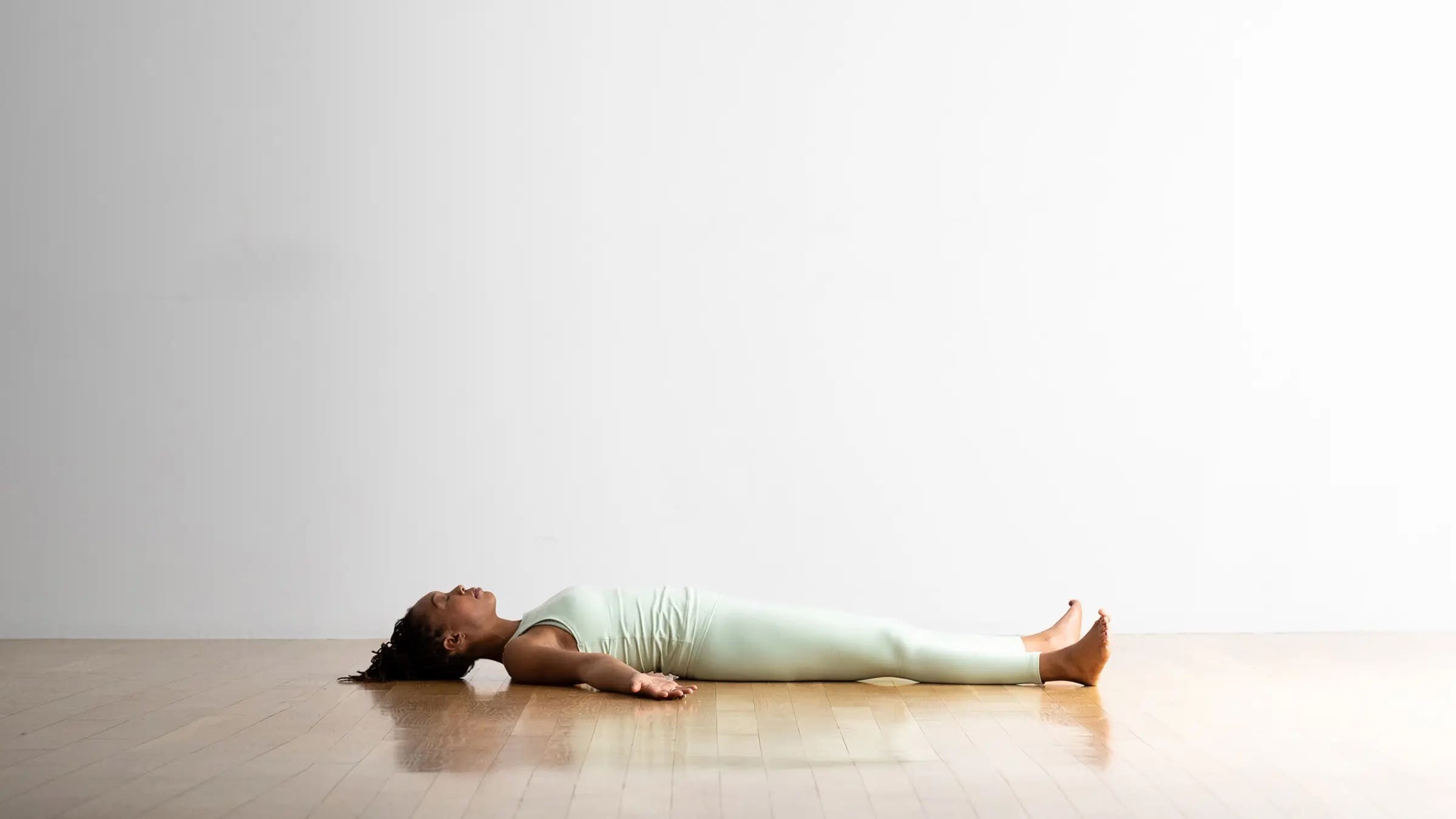
There’s a reason Savasana is thought by many to be yoga’s most essential pose. Lying prone with limbs splayed gives your mind and body room to find stillness and integration.
Though you may be tempted to start here, know that this is a deceptively simple shape. Stillness isn’t always the answer. But whenever you’re ready, Savasana (and the ground beneath you) will hold you as you heal.