

Published September 25, 2026 07:00AM
Choosing the best yoga app for you is a lot like checking out a new yoga studio. You’re looking for styles you love, classes that fit the way you practice, teachers who resonate, and opportunities for growth. And, of course, a certain level of convenience.
These yoga apps deliver an expansive approach to your practice that fits in your pocket, allowing you to easily take your yoga anywhere, including building a sustainable home practice. There are dozens of apps to support your practice available for download, many with more than 1 million downloads. And these days, no app is limited to yoga alone. You’ll also find Pilates, strengthening exercises, mindfulness practices, and more.
But none of this means that every app out there is worth your time, dollar, or energy.
Our team of Yoga Journal editors tried the five most popular (as in, most downloaded) yoga apps of 2026 to see what the majority of tech-loving yogis are loving and why. What we found, across testers, was a preference for clarity, cohesion, and—perhaps most importantly—human beings.
5 Most Popular Yoga Apps of 2026
Choose among a well-loved yoga brand, a viral YouTuber, and an all-AI teaching staff.
1. Down Dog
Cost: $9.99/month or $59.99/year
Pros and Cons
+ Classes customized and adjusted for you
+ Solid cuing and transitions
– Algorithmically sequenced
– DIY element has the potential to detract from practice
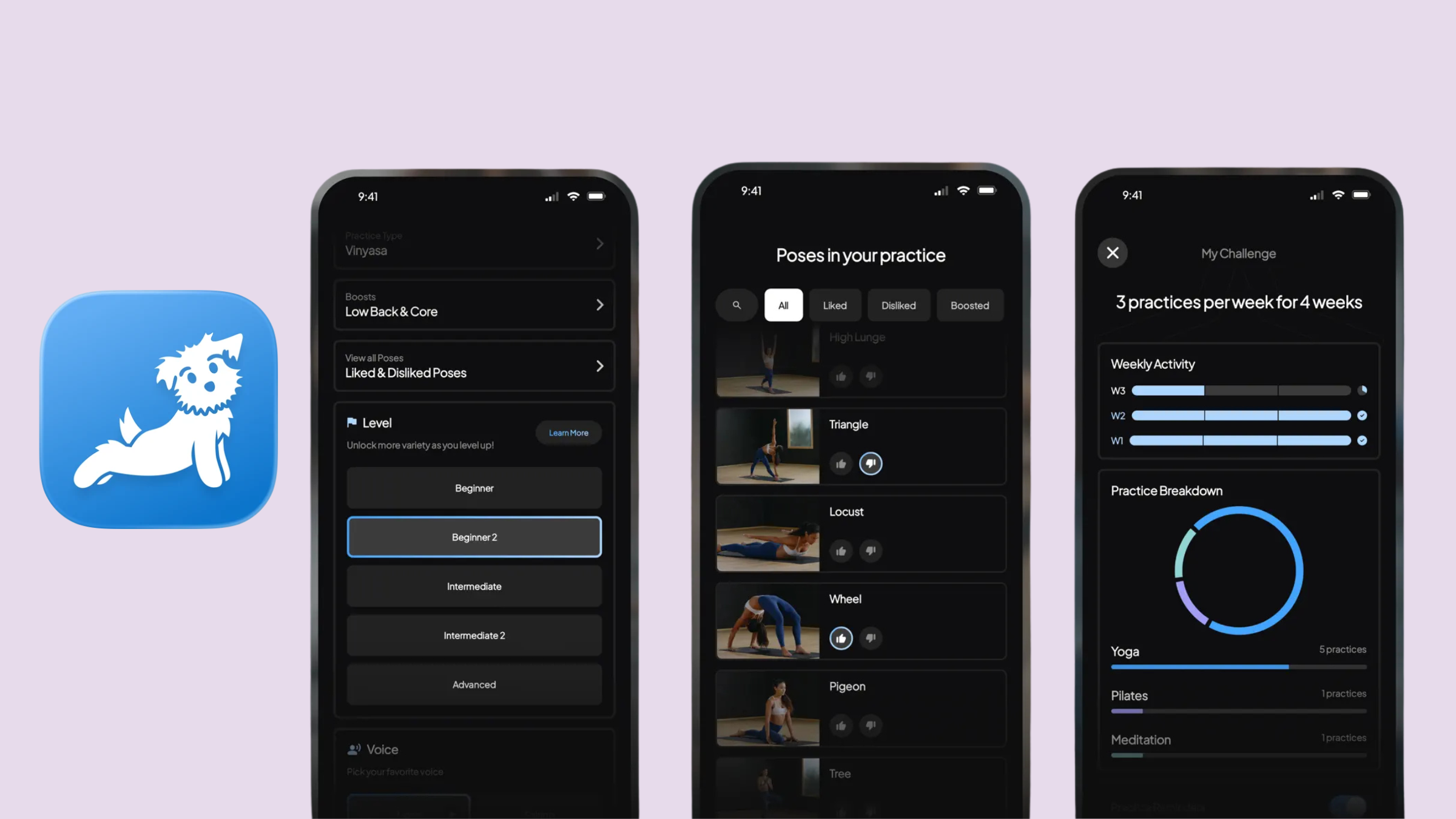
It’s both unsurprising and slightly irksome that one of the highest-rated yoga apps is built entirely of algorithm-based practices. We also get it. Customization is cool and Down Dog lets you do exactly that by creating on-demand flows designed just for you.
We were prepared to be annoyed and disappointed by the algorithm factor, but we actually found Down Dog’s classes to be super serviceable. Spoken cues were well-matched to accompanying movement, the transitions worked well, and an “advanced” setting even invites more creative transitions into the mix. Still, the cues sounded a little—for lack of a better word—robotic. But beyond being given cues, we love hearing a quip, a correction, and a few notes about yogic philosophy along with our asana, which didn’t happen here.
While obviously customizable, the app’s practices are fairly DIY, which is both a good and a bad thing. On one hand, you can select body parts you’d like to address, pose types you’d like to focus on, and more. But we were a bit tripped up by the options to see what’s coming next in your practice and “thumbs down” poses you don’t like, both of which seem a bit antithetical to the practice of yoga, which involves learning to find peace in this present moment and with mild discomfort. Ultimately yoga is training you for life, not for a shape you make on your mat.
TLDR: Algorithmically generated classes that are better than expected, but (obviously) lack that human touch.
2. Alo Wellness Club
Cost: Free (with Alo Access sign-up at no charge).
Pros and Cons
+ Intuitive and easy to navigate
+ High-quality photo and video
+ Wide variety of teachers, classes, and programs
– Not much body diversity
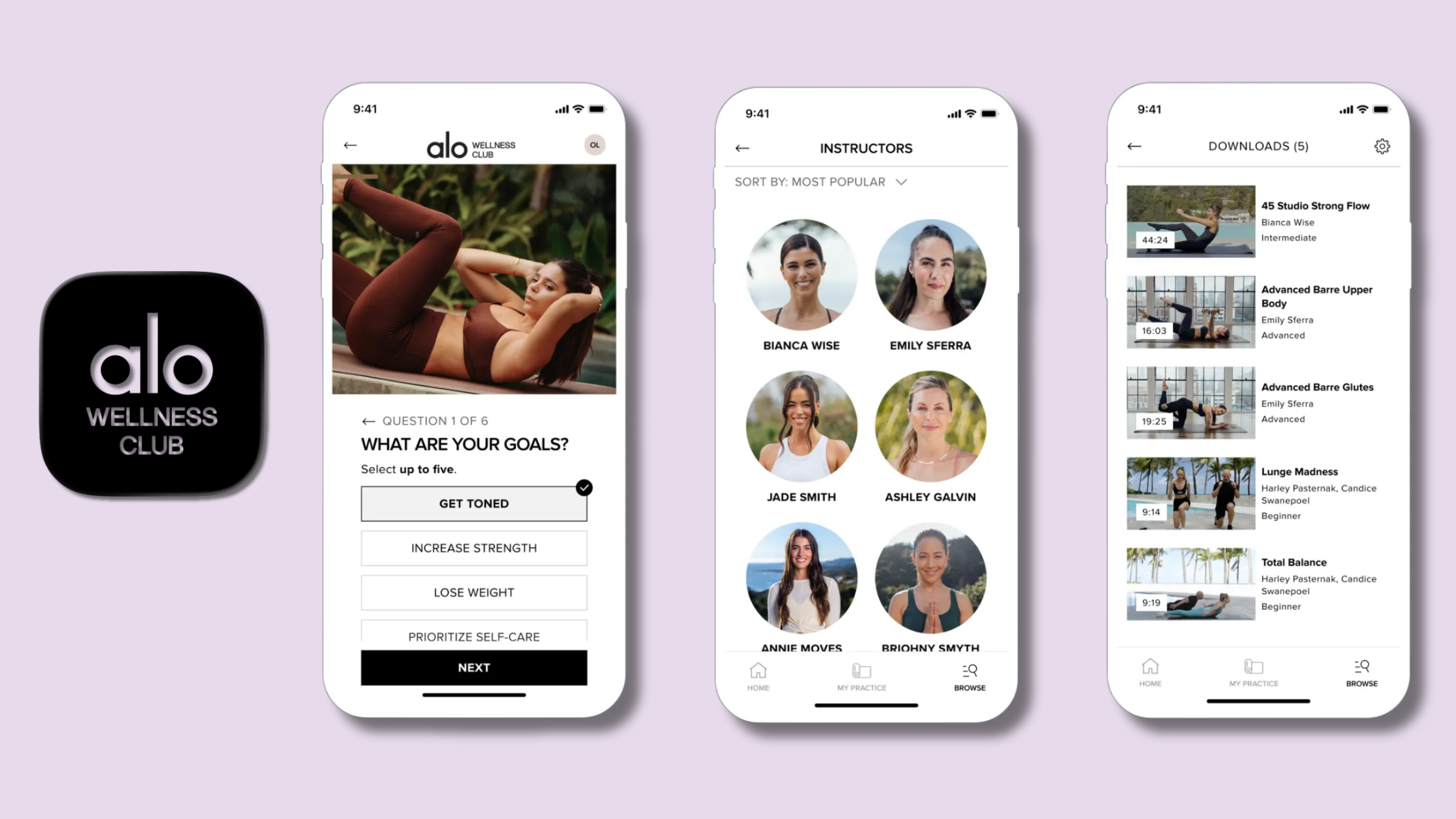
If there’s one thing that Alo has down to a science, it’s brand aesthetic. This shines throughout the entire Alo Wellness Club experience. It also makes total sense since the clothing and accessories brand has built itself around, and with the help of, yoga creators who produce top-notch content.
Aside from the easy-on-the-eyes appeal of the app, it’s intuitive navigability is enough to inspire a subscription. Tapping around to find yoga styles, additional fitness options, teachers, and class programs that suit you is simple and seamless, as is curating personal playlists of practices. There’s enough here to keep you occupied for a long, long while—we counted more than 300 programs, or class series, in addition to the library of one-off classes.
Our one gripe here is the lack of body diversity. During our test trial, we spotted one larger-bodied teacher, which seems more than slightly unbalanced among a menu of more than 100 instructors.
TLDR: As stylish as you would expect, with classes to match.
3. Glo
Cost: $30/month or $245/year
Pros and Cons
+ Variety of teachers, classes, and programs
+ Offers education in addition to classes
– Pricier than competitors
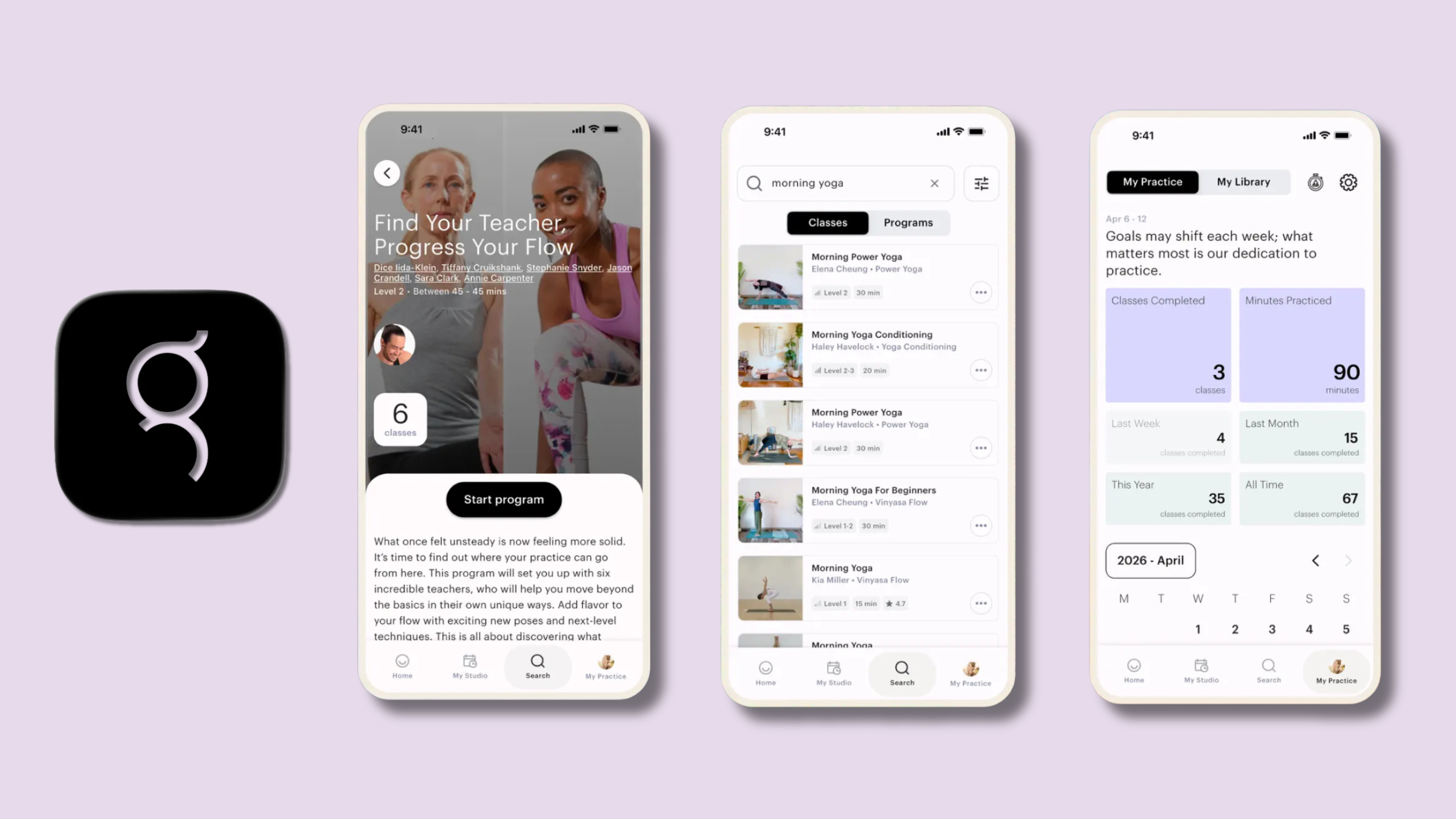
If you’re looking for a yoga app that can help you learn more about the practice in addition to guiding you through a quick flow, consider Glo. At first blush, the app feels a little like Alo lite, but further tapping around reveals a commitment to yoga that includes philosophy, teaching tips, and more. These recordings can be found under the “Education” tab, a welcome addition to the menu of Pilates, fitness, etc., that all of the yoga apps tested include in their interfaces.
We appreciated the “at-a-glance” accompaniment to each class and program, which are a collection of icons that break down level, type of practice, props needed, duration, and intensity. The photos and video are bright and clear, and the classes are human-led, which we are learning we like very much. Finally, Glo offers the occasional live class, which give subscribers a little more bang for their buck.
TLDR: Traditional yoga (and more) with opportunities to dive deeper.
4. Daily Yoga
Cost: $19.99/month or $69.99/year (plus in-app upgrades)
Pros and Cons
+ Classes for all levels
+ Structured workouts and “Smart Coach” available
– Heavy focus on weight and weight loss
– Clunky interface full of pop-ups
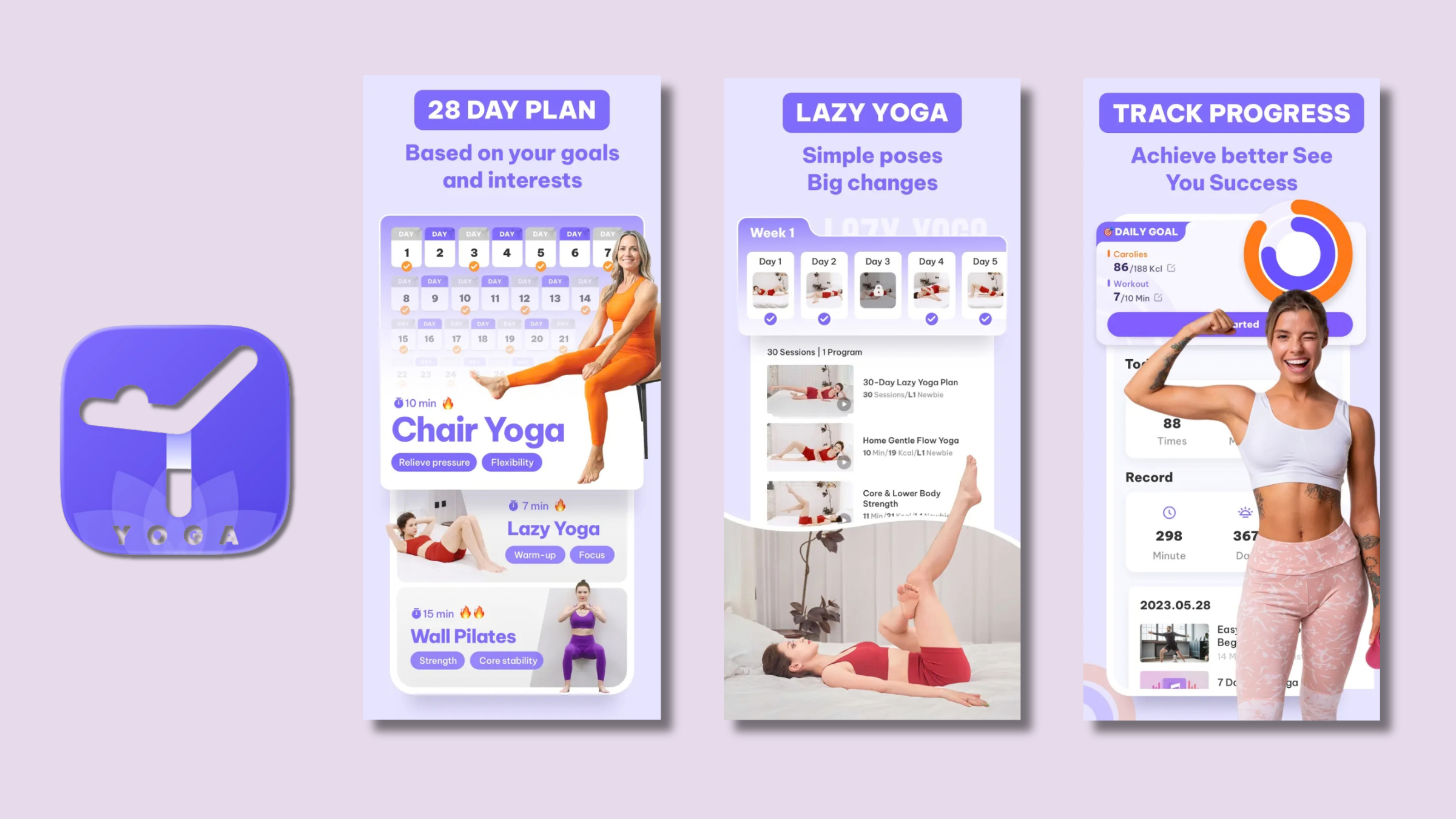
We’ll be honest: this app isn’t for us. After ending up paying for a subscription, we were faced with an endless barrage of onboarding windows that had much more to do with weight and body image than yoga, with little to no options to avoid the messaging. What looked like AI-adjusted images of women in sports bras and varying body types, along with a body fat slider, were presented at one point. The app asked for a current and goal weight, returned to the prompt more than once, and customized a weight loss plan, all seemingly by default. It was a lot.
Once we tapped into the app, finding the actual yoga classes was tough. This is not only true from a menu perspective, but also in regard to the pop-ups encouraging us to sign up in order to access certain sessions, “challenges,” or e-books. We just want to do some yoga!
There are a variety of yoga classes here, with cues that mostly sync with the voices instructing them, and the internet asserts that all of the Daily Yoga’s classes are human-led, so there is that. Although we could do without the video game-inspired pop-ups. (Congratulations! You’ve reached Level 1!)
TLDR: Frustrating interface with a variety of classes (if you can find them).
5. Find What Feels Good
Cost: $15/month or $150/year
Pros and Cons
+ Natural extension of the popular “Yoga With Adriene” YouTube channel
+ Built-in community
– Limited content compared to similar apps
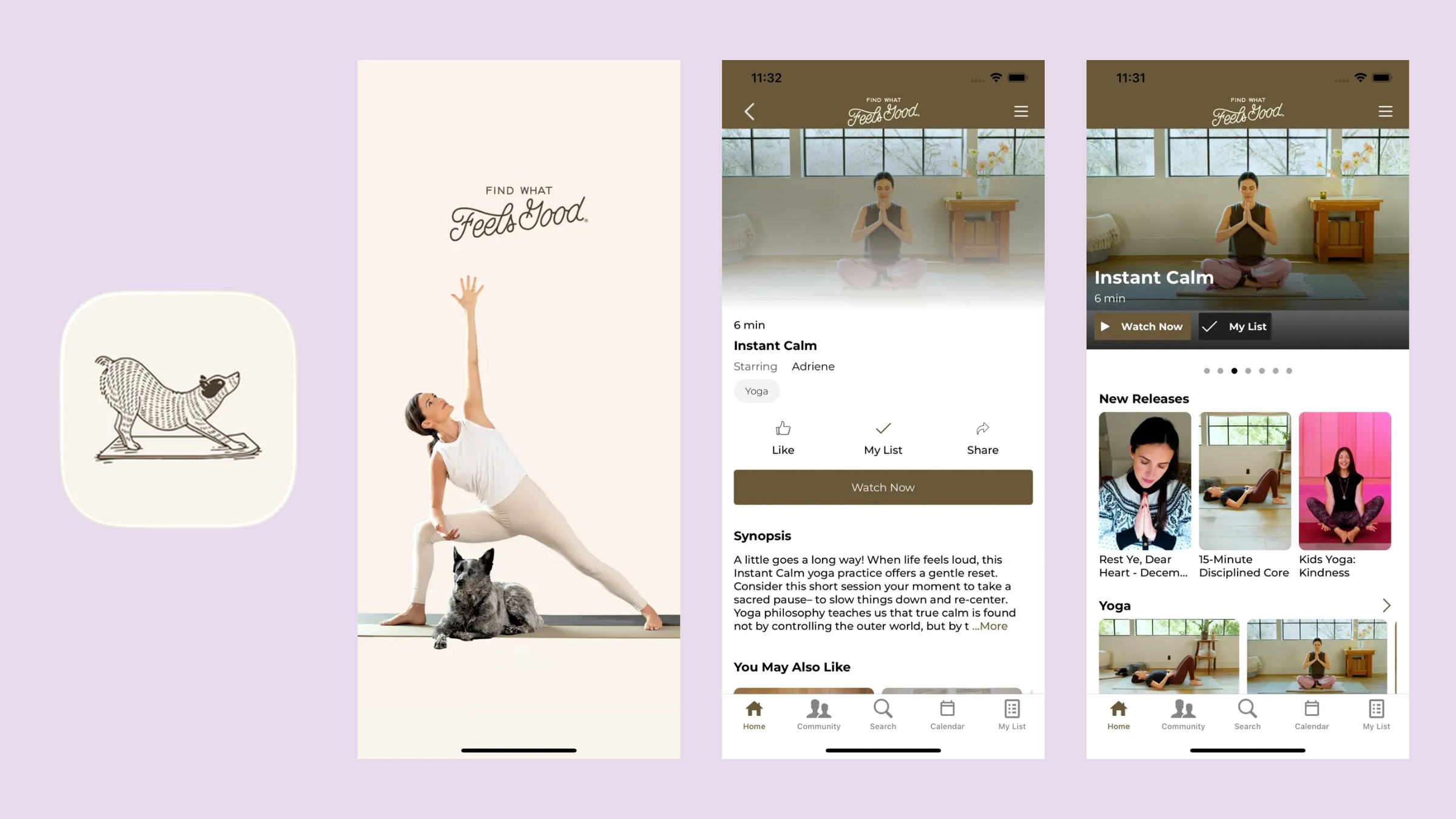
With nearly 14 million subscribers, Adriene Mishler of Yoga With Adriene is one of the most popular yoga YouTubers around. And since her entire practice library exists in the digital space, why wouldn’t she also have an app? Enter Find What Feels Good, which is Mishler’s yoga app option for fans who want to carry her along wherever they might go and want even more content than she already provides on YouTube.
Mishler has built a team of 11 instructors who offer Pilates, strength training, breathwork, and sound healing in addition to yoga. Existing class programs and calendars (classes assigned to each day of the month, chosen for a specified theme) are available for subscribers. Perhaps the coolest aspect of FWFG is the Community tab. Here, subscribers can participate in challenges, live monthly check-ins, even a book club.
A carousel of vlogs from Mishler features on the homepage, and represents our biggest takeaway: this app makes sense for those who have built their personal practice with the help of Yoga With Adriene and want to take things one step further.
TLDR: A natural extension for those who love Yoga With Adriene.